


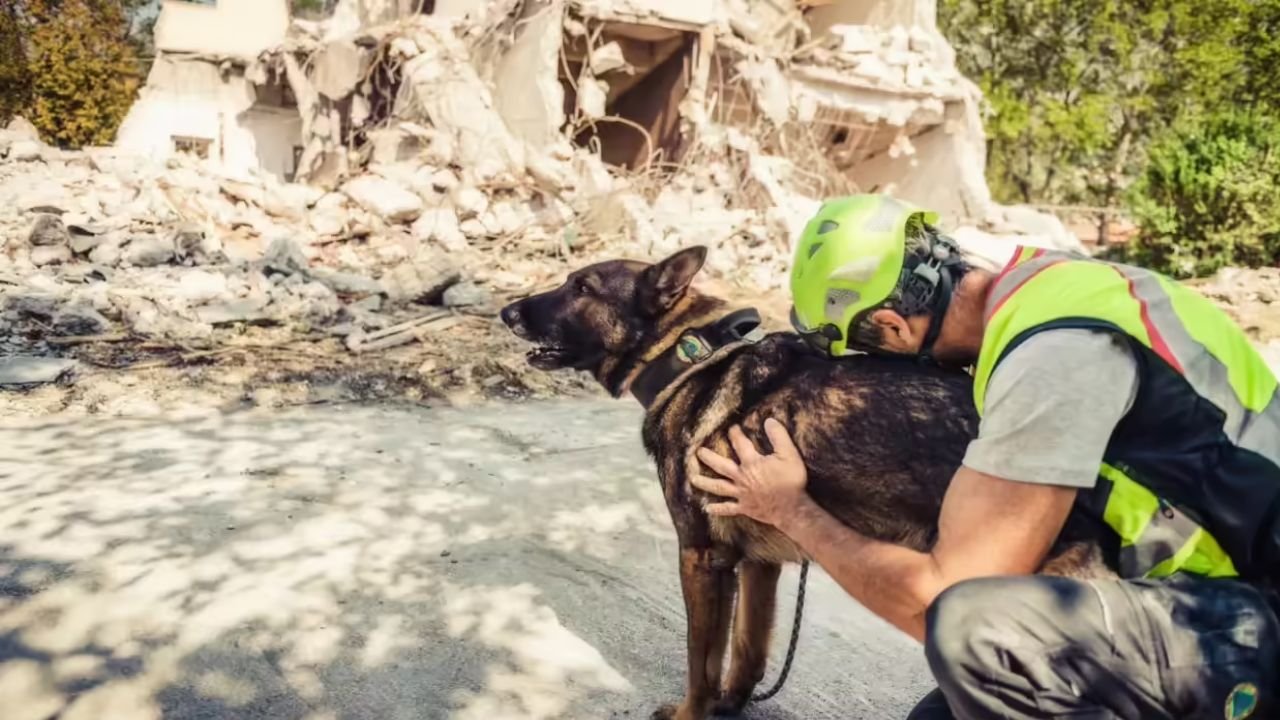
For centuries, people around the world have believed that animals can sense natural disasters before humans do. Stories of birds flying away minutes before an earthquake, dogs barking nonstop before a storm, or fish disappearing before a tsunami have been recorded in many cultures. Today, scientists are looking closely at this idea, and research suggests that animals really do pick up early warning signals long before humans notice anything unusual.
Animals rely on instincts, senses, and survival behaviors developed over thousands of years. These abilities allow them to detect subtle environmental changes that often go unnoticed by humans. As natural disasters become more frequent in many parts of the world, understanding how animals react may help us learn more about early warning signs.
Animals detect changes in the environment faster than we do
Humans depend on technology—like weather radars, sensors, and scientific instruments—to detect early signs of natural disasters. Animals, however, use their senses.
Many animals have:
- stronger hearing
- sharper smell
- better sensitivity to vibrations
- a faster reaction to sudden environmental changes
These natural abilities allow them to notice tiny shifts in the environment that signal something dangerous is coming.
Earthquakes: animals sense vibrations humans miss
Earthquakes are one of the most commonly reported situations where animals behave strangely before anything happens.
Scientists believe animals can detect:
- small underground vibrations
- shifts in the Earth’s crust
- low-frequency sounds produced before an earthquake
These signals may occur minutes or even hours before humans feel the first shake.
People have reported:
- dogs barking or whining for no reason
- birds flying away suddenly
- cows grouping together in odd formations
- cats hiding or acting restless
- wildlife disappearing from sight
While not every animal reacts the same way, unusual behavior across multiple species often points to significant underground activity.
Storms and hurricanes: animals react to pressure changes
Animals are extremely sensitive to air pressure changes. Before a storm forms, the atmosphere often shifts in ways that humans cannot detect.
Animals may sense:
- rapid drops in air pressure
- changes in humidity
- unusual wind patterns
- distant thunder vibrations
This is why birds change their flight patterns before strong storms, and why marine animals move to deeper waters before hurricanes.
Farmers and pet owners have long observed:
- horses refusing to eat
- dogs shaking or hiding
- birds becoming silent
- insects disappearing
These signs often appear hours before the storm arrives.
Tsunamis: marine life responds before the first wave appears
Tsunamis are harder for humans to detect without specialized equipment, but many animals recognize early warning signals.
Marine animals can sense:
- deep-sea vibrations
- sudden shifts in ocean currents
- changes in water chemistry
Before major tsunamis, people have reported:
- fish swimming away from the shore
- dolphins leaving shallow areas
- crabs and turtles moving inland
- birds flying far from coastal regions
During the 2004 Indian Ocean tsunami, several wildlife reserves reported almost no animal casualties. Many animals had already moved to higher ground hours before the waves struck.
Wildfires: animals smell smoke long before humans notice danger
Animals have a far stronger sense of smell than humans. Even a small amount of smoke in the air can alert them.
Before a wildfire becomes visible, animals may:
- run away from forests
- change their nesting patterns
- move their young to safer places
- show signs of panic or fast breathing
Pets like dogs often alert families before smoke detectors activate, simply because they smell the change in the air.
Volcanic activity: animals pick up chemical and sound signals
Volcanoes release gases and create ground vibrations long before an eruption. Animals are highly sensitive to both.
They may detect:
- sulfur or unusual gas odors
- temperature changes in the ground
- low rumbling sounds
- increased vibrations
Before volcanic eruptions, people have observed:
- wildlife leaving the region
- insects disappearing
- birds relocating suddenly
These signals can appear days or weeks before an eruption.
Why animals react quickly: survival instincts
Animals depend on their senses for survival. Many species have evolved to escape danger immediately because they cannot afford to ignore warning signs.
Their survival instincts are triggered when:
- the environment feels unstable
- familiar patterns change
- unseen threats move closer
These instincts help them avoid predators, storms, and other dangers—making them more prepared than humans when nature becomes unpredictable.
Can animal behavior help predict future disasters?
While animals cannot “forecast” disasters with precision, their behavior can provide clues. Many scientists study unusual animal activity as part of early warning systems.
In some regions:
- farmers watch livestock behavior
- coastal communities observe birds and marine life
- researchers track wildlife movement using sensors
Animal behavior is not perfect, but when many species react at once, it can be an important sign that something is happening in the environment.
Nature sends signals—animals listen first
Animals have lived closely with nature for millions of years, and their senses remain deeply connected to the environment. While humans often depend on technology to detect danger, animals rely on instincts, vibrations, smells, and subtle shifts we cannot feel.
Their reactions may not always point to a disaster, but they remind us how strongly wildlife is connected to the world around us. Paying attention to animal behavior could help scientists better understand natural warning signs—and maybe help communities stay safer in the future.
