


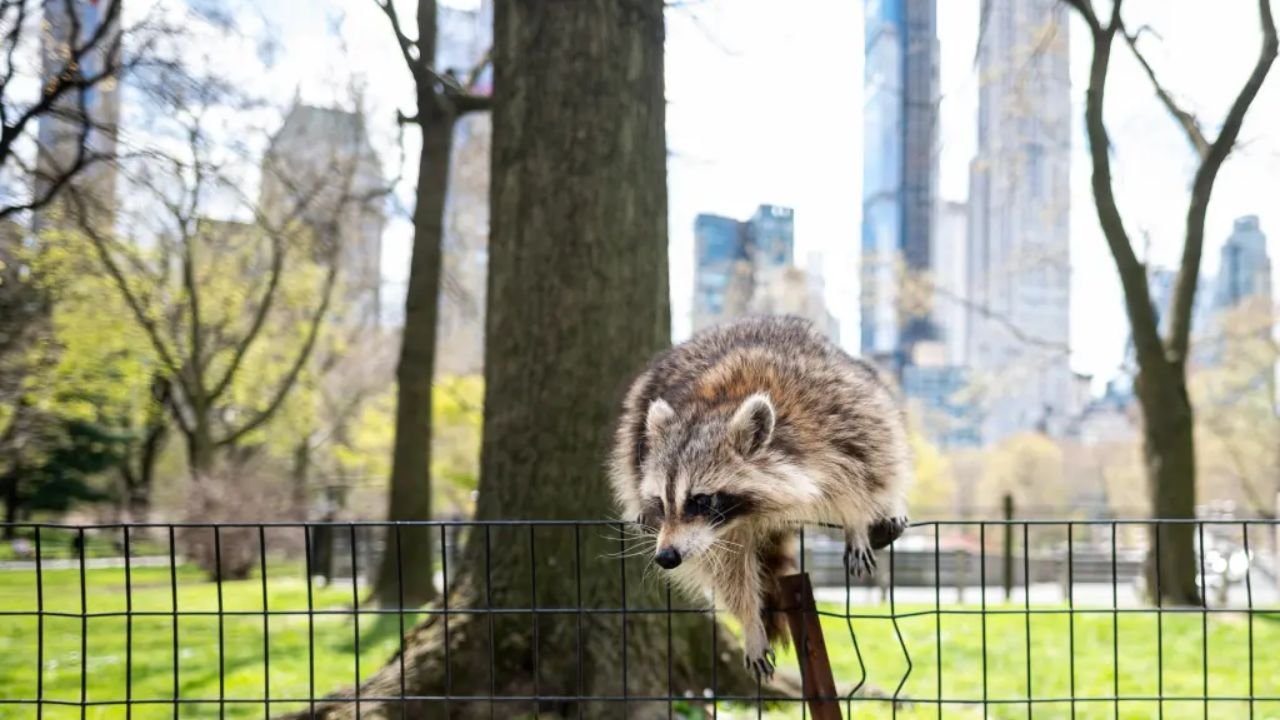
In many parts of the United States, residents are noticing something new during late-night walks or while checking their home security cameras: raccoons and foxes wandering through neighborhoods, exploring driveways, and sometimes even climbing onto porches. What once felt like rare encounters are now becoming a normal part of city life.
Across urban areas, wildlife experts are seeing a steady increase in sightings of raccoons and foxes. These animals, once associated with forests, fields, and rural landscapes, are adapting quickly to suburban and city environments. Their growing presence raises an important question: why are they showing up more often in urban spaces?
There isn’t just one reason. Instead, several changes in both animal behavior and human environments are encouraging these creatures to move closer than ever before.
Cities offer easy food sources for raccoons and foxes
One of the biggest reasons raccoons and foxes thrive in cities is the abundance of easily accessible food. Compared to the natural environment, where food availability depends on weather and season, urban areas provide year-round sources.
Some of the most common food attractions include:
- unsecured trash cans
- backyard bird feeders
- pet food left outdoors
- compost piles
- fruits from home gardens
Raccoons, in particular, are known for their ability to open containers, climb fences, and search through almost any food source they can find. Foxes, while more cautious, are also attracted to neighborhoods where food is readily available and predictable.
This reliable access means both species can survive with less effort than in the wild, encouraging them to return frequently.
Urban spaces provide shelter and safety
Modern neighborhoods offer plenty of hiding places for wildlife, especially animals skilled at navigating tight spaces. Raccoons and foxes are experts at using human structures for shelter.
They often take refuge in:
- crawl spaces under houses
- abandoned sheds
- thick shrubs and backyard vegetation
- attics or garages
- under porches or decks
Cities also produce warmth from infrastructure, including roads, buildings, and underground systems. During colder months, animals may move toward urban areas where temperatures are slightly higher, providing additional comfort and protection.
Raccoons and foxes are highly adaptable animals
Both raccoons and foxes possess strong problem-solving skills, allowing them to adjust quickly to changing environments. Raccoons are known for their intelligence and dexterity, while foxes rely on their alertness, agility, and ability to hunt both small animals and scavenged food.
Their adaptability includes:
- learning new food sources
- adjusting activity patterns from daytime to nighttime
- understanding traffic patterns
- avoiding predators more efficiently
Over time, these species have discovered that living near humans offers advantages with minimal risk, especially in areas where predators like coyotes are less common.
Urban development is reducing natural habitats
As cities grow outward, forests, fields, and open lands shrink. This loss of habitat forces many species to search for new areas to feed and raise their young. Raccoons and foxes handle this change better than others due to their flexible behavior.
In many regions, suburban expansion creates a patchwork of small wooded areas, parks, and neighborhoods—an ideal setting for these animals. They use:
- wooded edges for daytime resting
- neighborhoods for nighttime feeding
Instead of avoiding developed areas, raccoons and foxes have learned to blend both environments together.
Climate changes are altering animal behavior
Shifts in weather patterns may also play a role in increasing urban sightings. Milder winters mean more animals survive through the season, boosting population numbers. Changes in rainfall or food availability in natural areas can push wildlife closer to communities where resources are consistent.
While not the only factor, climate-related changes can influence when and where animals travel, making city environments more appealing throughout the year.
People unintentionally encourage wildlife to stay
Many homeowners don’t realize how easily small changes around their property can attract wildlife. Something as simple as leaving trash bags outside overnight or feeding pets on the porch can quickly draw raccoons and foxes.
Other unintentional attractants include:
- uncovered compost bins
- overflowing backyard feeders
- unsecured chicken coops
- fruit trees that drop apples or berries
Once animals find a reliable spot with food or shelter, they often return repeatedly and may even raise young in the area.
Sightings are increasing due to technology
Another reason people believe raccoon and fox sightings are rising is because more incidents are being recorded. Home security cameras, doorbell cameras, and neighborhood apps have made it easier to spot late-night animal activity.
This doesn’t mean wildlife wasn’t present before—it just means we now see what once went unnoticed.
A new normal for many U.S. cities
The growing presence of raccoons and foxes in urban areas reflects the remarkable adaptability of these species. Cities offer abundant food, shelter, and safety, making them attractive to animals looking for easier ways to survive.
While their presence can be surprising or even exciting for some residents, it also highlights the importance of managing food waste, securing outdoor spaces, and understanding how urban environments influence wildlife behavior.
As raccoons and foxes continue to settle into city life, their nighttime visits might become a normal part of living near nature—no matter how modern the surroundings may seem.
