


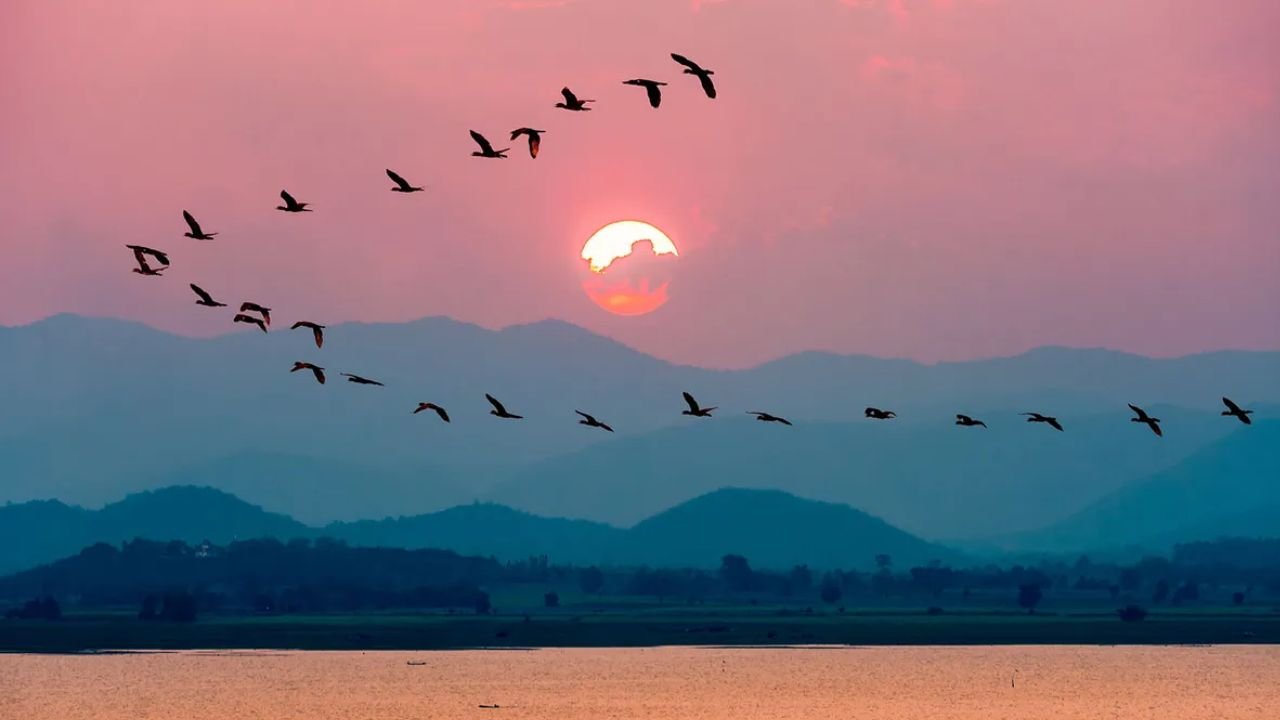
Every year, millions of birds take to the skies for one of nature’s most impressive journeys—migration. These birds travel thousands of miles between breeding and wintering grounds, often following the same routes for generations. But in recent years, scientists and birdwatchers across the U.S. have noticed something unusual: many migrating birds are suddenly changing their routes, stopping in new areas, or arriving at unexpected times.
These shifts might look random, but there are clear reasons behind them. From changing weather patterns to new food sources, several factors influence why migrating birds alter their paths. Here’s what experts say about the surprising changes happening in bird migration routes today.
Changing weather patterns are affecting migration timing
Weather plays a major role in bird migration. Birds rely on seasonal cues—temperature, daylight, and wind patterns—to decide when it’s time to move. But when weather becomes unpredictable, their instincts can be thrown off.
Warmer winters, sudden cold snaps, or extended heatwaves can cause:
- early departures from nesting sites
- delayed migration in fall
- unexpected stopovers in unfamiliar places
- changes in flight height or direction
Even a slight change in temperature can signal birds to leave or stay longer than usual. For species that depend on precise timing, these altered patterns can create detours or route changes that surprise both scientists and locals.
Food availability is pushing birds into new regions
Migrating birds plan their journeys around reliable food sources. When insects, berries, seeds, or fish shift their availability, birds must adjust.
Several U.S. regions have reported:
- birds arriving earlier than usual when warm weather boosts insect populations
- birds staying longer in northern states due to extended berry seasons
- sudden changes in stopover locations because traditional feeding grounds lack enough food
- new species appearing in coastal areas due to shifting fish patterns
When natural food supplies are disrupted, birds explore new routes to survive. Their instinct to stay energized and healthy overrides long-held migration patterns.
Wildfires, storms, and natural disasters can alter routes instantly
Strong storms, hurricanes, wildfires, and droughts can force birds to improvise in real-time. Large weather systems can push migrating birds hundreds of miles off course, leading to unexpected sightings in unfamiliar states.
Reports show that:
- hurricanes along the Gulf Coast redirect birds inland
- wildfire smoke forces birds to fly lower or change direction
- drought-damaged wetlands reduce stopover sites for water birds
- heavy storms break up flocks and create scattered migration patterns
These events can reshape migration behavior in a single season, making routes unpredictable and variable.
Urban landscapes are creating new stopover zones
Cities continue to grow, and with them comes new light, structures, and food sources. Surprisingly, some migrating birds are adapting to urban environments during their long journeys.
Bird experts have noticed:
- birds stopping in cities because artificial lights confuse navigation
- new patterns emerging around buildings, bridges, and towers
- birds feeding in urban parks or riverfronts where food is plentiful
- shifts toward city migration corridors due to predictable warmth and shelter
While cities provide temporary benefits, they can also create hazards such as window collisions or disorientation at night.
Shifting magnetic fields may be influencing direction
Many bird species use the Earth’s magnetic field as a built-in navigation system. Studies suggest that subtle changes in magnetic fields—caused by solar activity, shifting poles, or atmospheric conditions—can alter a bird’s sense of direction.
This can lead to:
- birds drifting off their traditional route
- unusual detours or loops during long-distance travel
- vagrant sightings of birds thousands of miles from their normal path
While this doesn’t happen often, it can significantly impact migration patterns when it does.
Climate change is reshaping long-term migratory behavior
As seasonal patterns shift, many birds are adapting by modifying their traditional paths entirely. Some no longer travel as far south as they used to because winters in northern regions are milder. Others extend their routes because their breeding grounds have warmed too early or too late.
Long-term changes include:
- shortened migration distances
- newly formed migration corridors
- altered breeding and nesting cycles
- entirely new wintering grounds for certain species
These changes aren’t random—they’re survival responses to a rapidly changing environment.
How people can help protect migrating birds
Even though migration changes are natural and necessary for survival, birds face increasing challenges. Communities can support migrating birds with simple actions.
Helpful steps include:
- keeping outdoor lights dim during peak migration nights
- reporting unusual sightings to local wildlife groups
- planting native trees that provide food and shelter
- avoiding disturbance of wetlands, beaches, and stopover sites
- creating bird-safe window decals to prevent collisions
Small efforts can make a big difference during long journeys.
Migration is a remarkable instinct — and it’s evolving
Migrating birds are constantly adapting to their surroundings. When weather patterns shift, food changes location, or landscapes evolve, their routes change too. These adjustments help them survive, even if it means flying in unexpected directions or stopping in new places.
The next time you notice a bird species in an unusual spot, it may not be lost at all—it might be responding to the changing world around it. Migration is one of nature’s most extraordinary behaviors, and as the environment continues to shift, these birds are showing us just how flexible and intelligent their instincts can be.
