


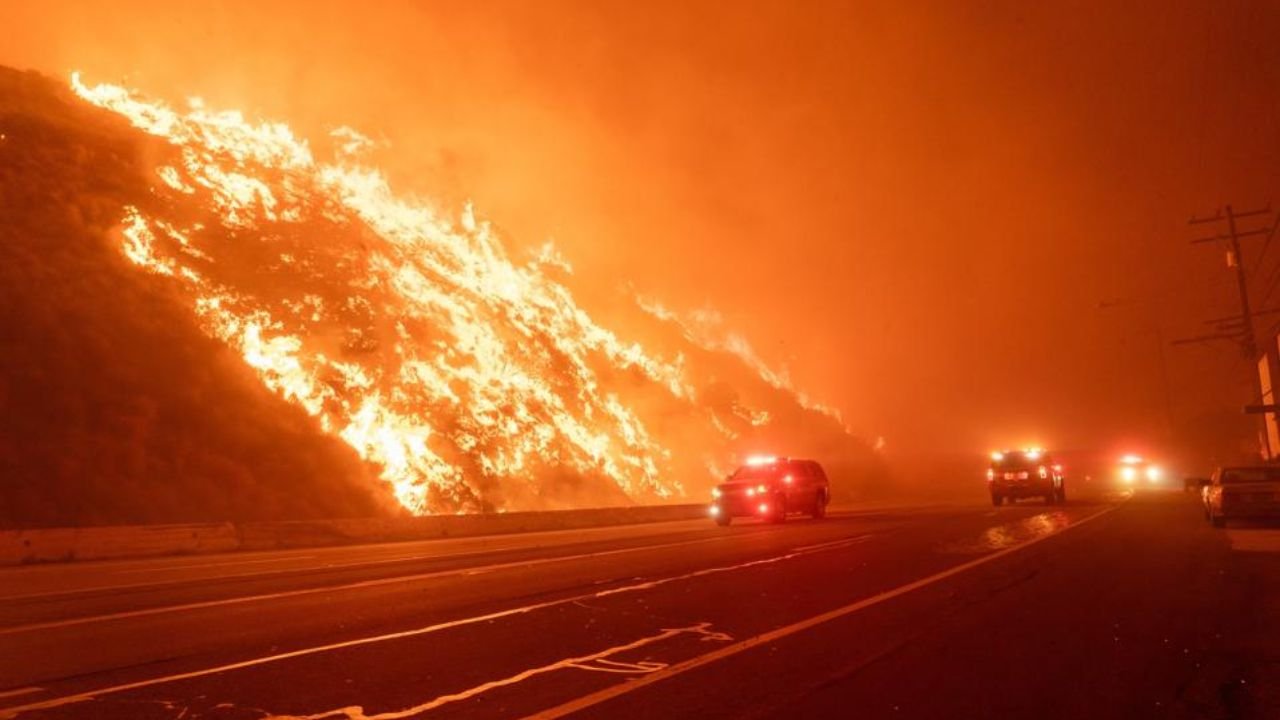
Wildfires have become a frighteningly common part of life in several U.S. states, especially during the hotter months. Images of fast-moving flames, thick smoke, and sudden evacuations often go viral, but many people still wonder why these fires spread so quickly. While dry weather and heat play major roles, the real reason wildfires move at alarming speed is a combination of environmental, geographic, and human factors that all work together.
Across states like California, Oregon, Washington, Arizona, and Colorado, wildfire behavior has changed noticeably over the past decade. Fires are burning hotter, traveling faster, and covering larger areas. Understanding why this happens is important not only for firefighters but also for residents who live near forests, dry grasslands, or even suburban neighborhoods.
Dry vegetation creates perfect fuel for fast-moving flames
The most significant factor behind fast-spreading wildfires is the amount of dry vegetation on the ground. When plants do not receive enough moisture, they turn into highly flammable fuel.
Dry grasses, dead leaves, and drought-stressed shrubs can ignite much faster than green vegetation. Once they burn, they act like a chain reaction—allowing the fire to hop from one dry patch to the next in seconds.
In states with long, hot summers or recurring droughts, this buildup of dry fuel is much worse. Even a small spark from a vehicle, power line, or lightning strike can instantly trigger a fast-moving wildfire.
High winds push flames farther and faster
Wind is one of the most dangerous elements during a wildfire. Strong gusts can:
- blow burning embers miles ahead of the main fire
- push flames into new regions
- help fires jump across roads, rivers, or open spaces
- make fires spread uphill at twice the speed
In many western states, seasonal winds like California’s Santa Ana and Diablo winds can reach extremely high speeds. These conditions turn a small, manageable fire into a fast-moving blaze that firefighters struggle to contain.
Wind is also the reason fires can suddenly change direction, catching residents and fire teams off guard.
Rising temperatures dry out the landscape earlier each year
Another major reason wildfires are spreading faster is the steady rise in temperatures across the U.S. Warmer weather dries out soil, grass, and forests much earlier in the season, creating a longer window for fires to ignite and grow.
Many states now experience:
- earlier heatwaves
- reduced snowpack in mountain areas
- less moisture in the soil
- longer periods of low humidity
All of these conditions dry out vegetation faster, which increases the speed and intensity of fires once they begin.
Dense forests and overcrowded vegetation fuel explosive fire growth
In several states, forests have become far denser than they were historically. Natural fires used to clear out old vegetation every few decades, but after years of fire suppression, many forests are now overcrowded with dry material.
This leads to:
- thicker underbrush
- more dead trees
- stacked layers of dry wood
When a wildfire reaches these fuel-heavy areas, flames can grow more intense and spread much faster than normal. In some regions, dense forests combined with steep terrain create conditions where fires can travel uphill rapidly, making them extremely difficult to control.
Lightning strikes in dry regions spark quick-moving fires
In states like Arizona, Nevada, Utah, and parts of California, dry lightning storms are becoming more common. These storms produce lightning without heavy rainfall, which means the electrical strikes hit dry land that is already vulnerable to burning.
A single lightning bolt can ignite a fire that spreads across thousands of acres within hours.
Dry lightning–caused fires are especially dangerous because they often start in remote areas where detection and response take longer.
Human activity remains a major factor in fire spread
While natural conditions set the stage for wildfire growth, human activity often provides the spark. A large number of wildfires start because of:
- improperly extinguished campfires
- fireworks
- power line failures
- sparks from vehicles or equipment
- discarded cigarettes
In fast-drying states, even a small human mistake can trigger a fast-moving fire under the right conditions.
Urban expansion also brings more homes closer to fire-prone landscapes, increasing the risk of rapid spread.
Firestorms and ember showers make fires jump unpredictable distances
One of the most dangerous features of modern wildfires is ember spread. Powerful fires create their own wind currents, sending burning embers high into the air. These glowing pieces of debris can travel long distances before falling onto dry ground and starting new fires.
This is how wildfires:
- jump across freeways
- reach neighborhoods miles away
- create multiple fire fronts
Embers can easily ignite roofs, decks, or dry grass around homes, leading to rapid spread inside communities.
Why some states are more vulnerable than others
Wildfires spread faster in certain states because many of them share the same risk factors:
- large areas of dry vegetation
- seasonal high winds
- long dry seasons
- steep terrain
- frequent lightning storms
- dense forests
- expanding communities near fire-prone areas
When these factors combine, fires can grow explosively and move with frightening speed.
A new era of faster, hotter wildfires
Wildfires today behave differently than they did in the past. They start quicker, move faster, and burn more intensely. Scientists and fire agencies are working to understand how conditions are changing, but what’s clear is that many states are dealing with a new reality.
For residents, the most important steps involve staying informed, preparing homes for fire risk, and responding quickly to evacuation alerts.
Understanding why wildfires spread so fast helps communities stay safer—and reminds us how closely our environment and daily lives are connected.
