


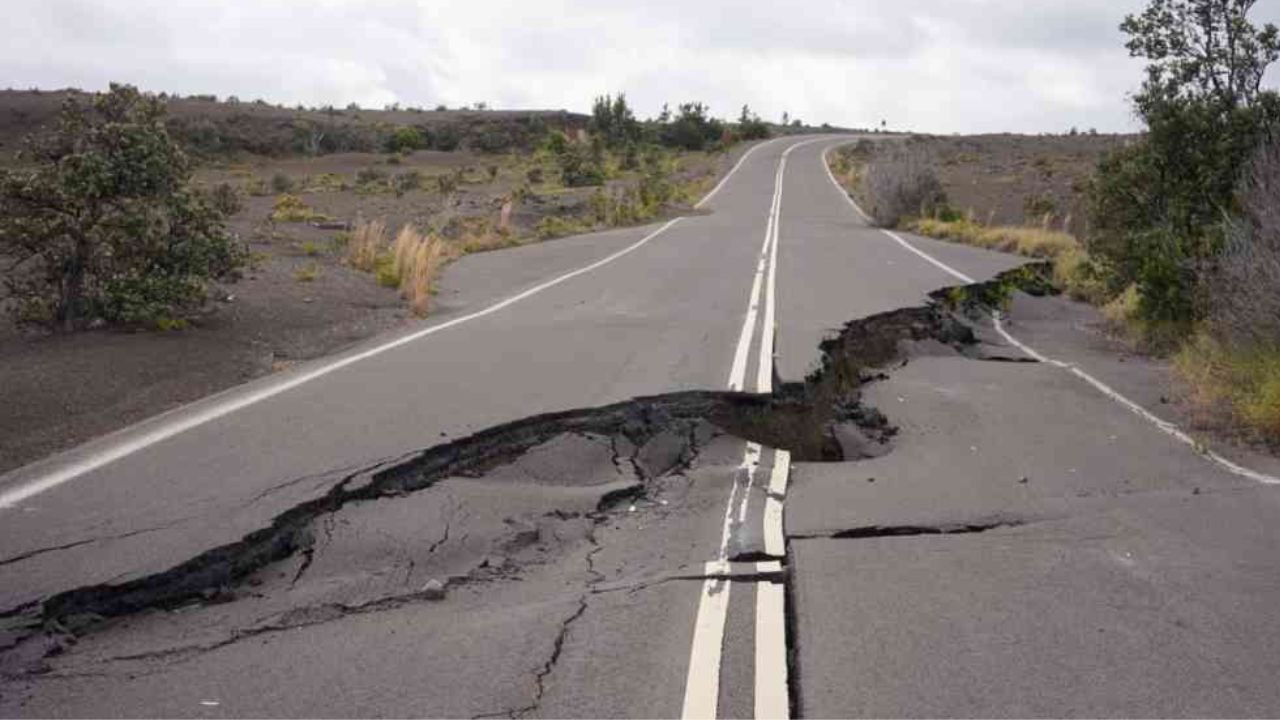
When people think of earthquakes in the United States, places like California, Alaska, or the Pacific Northwest usually come to mind. But in recent years, residents of states with little or no known seismic history—such as Texas, Oklahoma, Kansas, Ohio, Alabama, and even parts of the Midwest—have felt small, unexpected earthquakes. These minor tremors often catch communities by surprise, leading many to wonder why they’re happening in places not typically associated with earthquakes.
While these quakes are usually weak and cause little to no damage, they are important clues about what’s happening underground. Understanding the causes behind these minor events helps explain why the ground occasionally shakes in regions that aren’t located along major fault lines.
Shifts in ancient, buried fault lines
Even states that rarely experience earthquakes still sit on top of old fault lines—many of which formed millions of years ago. These ancient fractures in the Earth’s crust are normally stable, but under certain conditions, they can become active again.
Scientists say that minor quakes often happen when stress builds up on these old faults. Because they are buried deep and inactive for so long, they don’t release pressure as frequently as faults in active zones. When that pressure finally releases, even slightly, the result can be a small but noticeable earthquake.
This is one reason why quakes may occur suddenly in places that rarely experience them.
Natural settling and movement of the Earth’s crust
The Earth’s surface is constantly shifting—even in areas far from major seismic zones. Over time, natural geological processes can cause small adjustments underground.
These natural movements may include:
- slow shifting of crustal plates far from plate boundaries
- pressure changes caused by sediment buildup
- underground rock layers expanding, shrinking, or settling
While these shifts are usually minor, they can occasionally trigger a small earthquake. In many cases, they happen so deep underground that they go unnoticed, but sometimes residents may feel a quick jolt or vibration during a shallow event.
Human activities that impact the ground
One of the biggest reasons minor earthquakes occur in unexpected states is linked to human activity—especially underground industrial processes.
Certain practices can increase pressure on underground rock formations, making old faults more likely to slip. These include:
1. Wastewater injection
Large amounts of wastewater from oil and gas operations are sometimes injected deep underground. When fluids enter layers of rock near fault lines, pressure builds and can trigger small quakes.
This has been identified as a major factor in increasing earthquake activity in parts of Oklahoma, Texas, and Kansas.
2. Mining and quarrying
Removing large volumes of rock or minerals changes the stress within the ground. Over time, this can cause tiny shifts that lead to minor tremors.
3. Construction of large reservoirs
When huge amounts of water are stored behind dams, the weight can put pressure on the Earth’s crust. This phenomenon, known as reservoir-induced seismicity, has caused occasional small quakes near large lakes and man-made reservoirs.
4. Drilling and fracking operations
While fracking itself causes very small tremors that are rarely felt, the disposal of the wastewater used in the process has a larger impact. This activity can lead to more noticeable minor quakes.
Small earthquakes caused by pressure changes underground
Even in regions with no major fault lines, underground pressure changes can cause the ground to shift. These changes may come from natural processes like erosion, groundwater movement, or seasonal temperature variations.
For example:
- rapid snowmelt can increase water pressure deep underground
- drought can cause soil layers to contract
- heavy rainfall can expand rock fractures
Any sudden shift in underground pressure may trigger small seismic events.
Deep Earth forces that affect the entire continent
The United States sits on the North American tectonic plate, which is constantly being pulled, pushed, and stretched by neighboring plates. Even though interior states are far from the edges of the plate, they still feel subtle stresses caused by global tectonic movement.
Over long periods of time, these stresses can activate buried fault lines and cause occasional minor earthquakes.
Why these small quakes matter
Minor earthquakes may not cause damage, but they are still important signals. They help scientists understand:
- how stress is building beneath the ground
- whether old fault lines are becoming more active
- how human activities affect the stability of rock layers
- which areas may be at risk for slightly stronger future quakes
Tracking these tremors allows researchers to map hidden faults and learn more about how the Earth’s crust behaves outside traditional seismic zones.
What residents should know
If you live in a state not known for earthquakes, feeling a minor tremor can be surprising—but it’s usually not a cause for alarm. Most of these quakes are small, brief, and harmless.
However, experts recommend:
- reporting the quake to the U.S. Geological Survey website
- securing tall furniture or shelves if small quakes become more frequent
- staying aware of local geological reports or advisories
Even small earthquakes offer valuable insight into how the land beneath us is changing.
A reminder that the Earth is always moving
Minor earthquakes in unexpected states show that the Earth’s crust is active everywhere—not just in well-known seismic zones. Whether caused by natural processes or human activity, these small tremors highlight how dynamic and interconnected the ground beneath us truly is.
As scientists continue to study these events, they reveal more about the hidden forces shaping the continent, reminding us that even the most stable regions can shift when we least expect it.
