


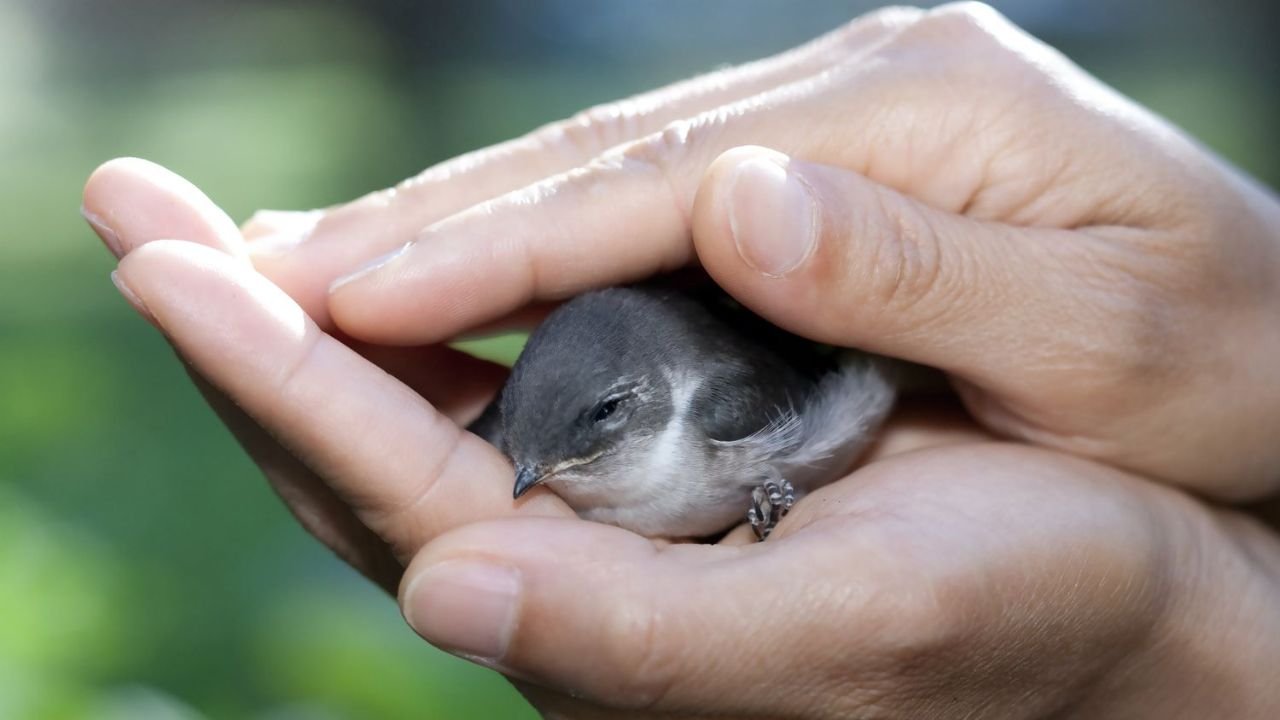
Finding an injured bird or small animal can be emotional and confusing. Many people want to help but aren’t sure what the right steps are. Acting quickly is important, but acting correctly is even more important. Wildlife experts say that even small mistakes—like offering food or handling an animal too much—can do more harm than good.
Whether it’s a bird that hit a window, a squirrel injured on the road, or a rabbit found alone on the grass, knowing what to do can make a real difference. Here’s a simple guide to understanding how to safely help injured wildlife without causing accidental harm.
First, make sure the animal really needs help
Not every animal that looks alone or still is truly injured. Many baby animals, especially birds, appear helpless but are actually being watched by their parents nearby.
You should check for clear signs of injury such as:
- bleeding or visible wounds
- dragging a wing or leg
- struggling to move
- lying on the ground unable to stand
- shaking or unresponsive behavior
If an animal shows these symptoms, it likely needs help. If it appears alert and active, it may just be resting or waiting for its parent.
Always prioritize your safety first
Before approaching any wild creature, consider your safety. Even small animals may bite, scratch, or panic when scared. Injured animals are often in shock and can behave unpredictably.
Experts recommend:
- keeping children and pets far away
- approaching slowly and quietly
- using gloves or a cloth if you must touch the animal
- avoiding handling animals with sharp beaks or claws unless necessary
If the animal is dangerous or too large to safely approach—for example, a hawk, raccoon, fox, or owl—call a wildlife professional immediately.
Minimize contact and stress
Wild animals become extremely stressed when humans approach them. Even a few seconds of loud noise or rough movement can worsen their condition.
To reduce stress:
- keep talking to a minimum
- move slowly
- avoid checking on the animal repeatedly
- do not attempt to pet or comfort it
Wildlife professionals explain that quiet and darkness help animals feel safe while waiting for help.
Gently contain the animal if it’s safe to do so
If the animal is small (like a songbird, baby squirrel, or rabbit) and you can safely pick it up, gently place it in a box.
Follow these steps:
- Find a small ventilated box or container.
- Line it with a soft cloth, paper towel, or T-shirt.
- Wearing gloves, gently scoop the animal and place it inside.
- Close the lid or cover the opening with a light towel.
Keeping the container dark reduces stress and prevents the animal from injuring itself further.
Do NOT feed or give water
This is one of the biggest mistakes people make.
Giving food or water can easily choke or suffocate an injured animal, especially birds. Certain species also have very specific diets, and feeding the wrong food can cause serious internal damage.
It’s best to wait until a licensed wildlife rehabilitator gives instructions.
Keep the animal warm and quiet
Injured wildlife often go into shock. Warmth can help stabilize them until help arrives.
You can help by:
- keeping the box in a warm room
- placing the box away from noise, pets, and people
- avoiding bright lights and motion
- not disturbing the animal unless absolutely necessary
Do not apply heat directly to the animal—never use heating pads or hot water bottles. Instead, focus on providing a stable, calm environment.
Contact a wildlife rehabilitator or rescue center
Once the animal is safely contained, the next step is to get professional help. Almost every U.S. state has wildlife rehabilitation centers that specialize in caring for injured animals.
A rehabilitator can:
- treat injuries
- provide proper food
- safely reintroduce the animal to the wild
Search for a “wildlife rescue near me” or “local bird rescue.” You can also call your state’s fish and wildlife department for guidance.
If it’s after hours, many rescues have emergency numbers you can call.
Know when to call animal control instead
In some situations, you should contact animal control or local authorities immediately, such as:
- an animal hit by a car in a public area
- a potentially dangerous wild animal (owl, hawk, raccoon, skunk)
- an animal unable to move on a busy road
- wildlife posing a risk to people or pets
These responders have experience and tools to handle the situation safely.
Avoid trying to care for the animal yourself
Keeping and treating injured wildlife at home is illegal in many places without a license. Wild animals require specialized diets, medical care, and environments that are difficult to replicate.
Even with good intentions, home care can harm them more than help.
Helping wildlife the right way makes a real difference
Finding an injured bird or small animal can be emotional, but knowing the right steps can truly save a life. Staying calm, minimizing stress, and getting professional help are the most important things you can do.
Wildlife experts agree: simple actions—like placing the animal in a quiet box, resisting the urge to feed it, and calling a rehabilitator—make the biggest difference in survival.
If you ever come across an injured creature again, you’ll know exactly what to do: stay safe, act gently, and let trained wildlife professionals take it from there.
