


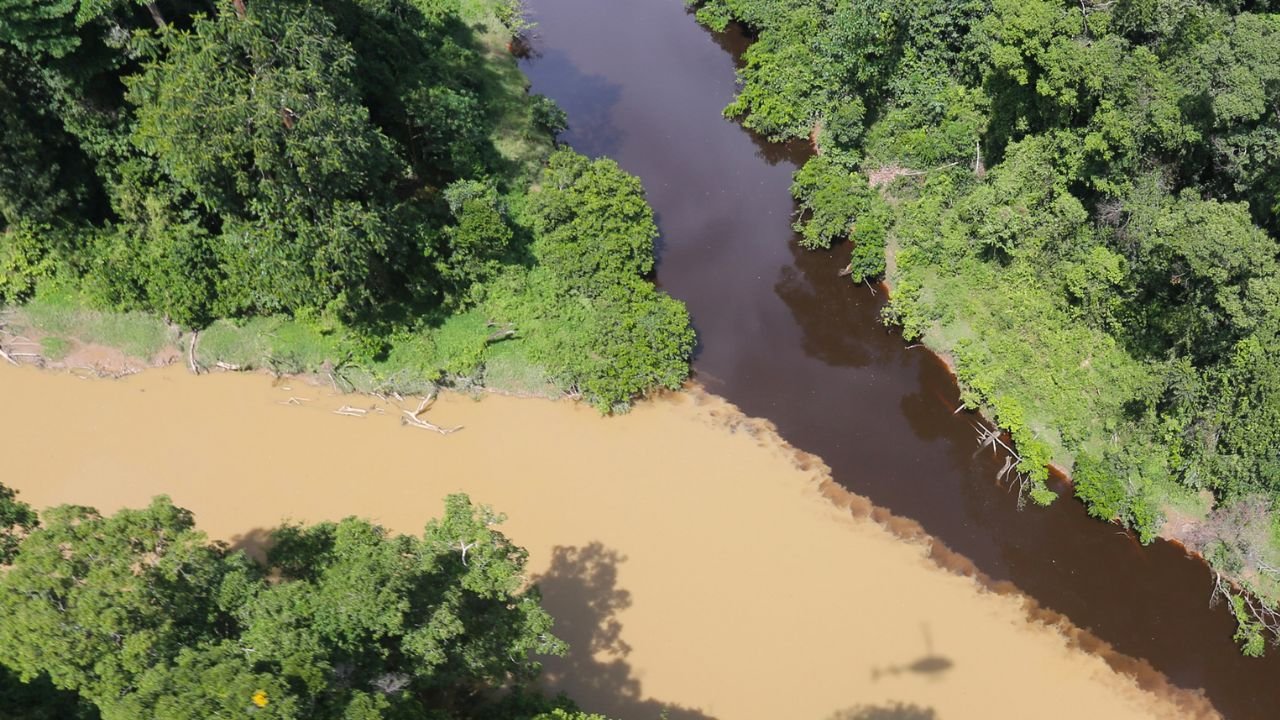
After a strong storm, many people notice a surprising change: rivers that were once clear suddenly turn brown and muddy. This transformation can happen within hours, and while it may look alarming, it’s actually a natural reaction to heavy rainfall. Across the U.S., this phenomenon is becoming more common, especially during intense weather events.
Understanding why rivers shift color after rain helps explain how water systems work and how rainfall affects the environment. Here’s a clear breakdown of what causes rivers to turn brown so quickly.
Heavy rainfall washes soil and sediment into the river
The most common reason rivers turn brown is simple: sediment runoff. When it rains heavily, the force of the water loosens soil, dirt, sand, and small particles from the ground. These materials get washed into nearby streams and rivers, mixing with the water and giving it a muddy appearance.
When this happens on a large scale, the water can look deep brown, red, or even chocolate-colored. The stronger the rain, the more sediment the river carries.
This process is called turbidity, which means the water becomes cloudy due to suspended particles. Turbidity levels can spike dramatically right after a storm.
Stormwater picks up debris and drains it into rivers
In cities and towns, rainwater flows across streets, sidewalks, parking lots, and drains. As it moves, it picks up:
- dirt
- leaves
- small rocks
- pollutants
- broken plant material
All of this gets funneled into storm drains that lead directly to creeks and rivers. The sudden rush of stormwater filled with debris can easily change the river’s color within minutes.
Even rural areas experience this effect when water rushes over fields, farms, and open land.
Fast-moving water stirs up mud from the riverbed
Heavy rain increases the speed and strength of river currents. When water begins moving faster than usual, it disturbs the riverbed—essentially lifting mud, clay, and sand from the bottom.
This is another key reason rivers look brown after storms. Even if no new dirt is entering the river, the river stirs up its own bottom, pulling buried sediment to the surface.
In slow-moving rivers, this effect can last for several days until the water settles and the particles sink again.
Nearby construction or land clearing makes the problem worse
When land is disturbed—whether through construction, road work, logging, or land clearing—the soil becomes loose and vulnerable to runoff. During heavy rain, this loose dirt is easily washed into nearby waterways.
Scientists have noted increased river discoloration near:
- new residential projects
- agricultural fields
- construction zones
- mining areas
- logging operations
Loose soil from these areas travels quickly and contributes to the dramatic brown color after rainfall.
Flooding causes massive soil movement into rivers
In severe storms, flooding can carry thousands of pounds of soil, clay, and debris into rivers at once. When water levels rise above their usual boundary, they erode riverbanks and surrounding land.
This leads to:
- fallen trees entering rivers
- collapsed riverbanks
- massive sediment flows
- high mud content in the water
After a flood, rivers often stay brown for much longer because so much material has mixed into the water.
Brown water doesn’t always mean pollution
Many people assume that brown water means the river is polluted. But in most cases, the discoloration is natural and temporary. The brown color usually comes from harmless sediments like:
- clay
- silt
- sand
- organic material
These particles don’t always pose a danger to wildlife or humans. However, very high turbidity can make it harder for fish to see, breathe, and hunt. Even though it’s natural, it can still stress the ecosystem for a short period of time.
When the brown color might be a concern
While most cases are normal, there are situations where brown water may indicate a problem. These include:
- chemical runoff from industrial areas
- fertilizer washed in from farms
- wastewater or sewage overflow
- erosion caused by major land damage
If a river stays brown for a long time or smells unusual, local agencies often investigate to ensure something more serious isn’t happening.
Rivers usually clear up on their own
After rainfall stops and water levels drop, rivers gradually return to their natural color. When the current slows down, the heavier particles settle at the bottom again. This process can take anywhere from a few hours to a few days depending on the river’s size and flow speed.
In many U.S. rivers, scientists regularly monitor turbidity to understand how storms affect water systems. Tracking this change helps them study erosion, climate patterns, and the impact of extreme weather.
A natural reaction to a powerful storm
A river turning brown after heavy rainfall is one of the most visible signs of how closely nature reacts to the weather. It shows how rainfall shapes landscapes, moves soil, and influences the health of waterways. Even though it may look dramatic, it’s usually a normal part of a river’s cycle.
Every storm tells a story about the land it touches—and the color of the river is one of the clearest signs of that story.
