


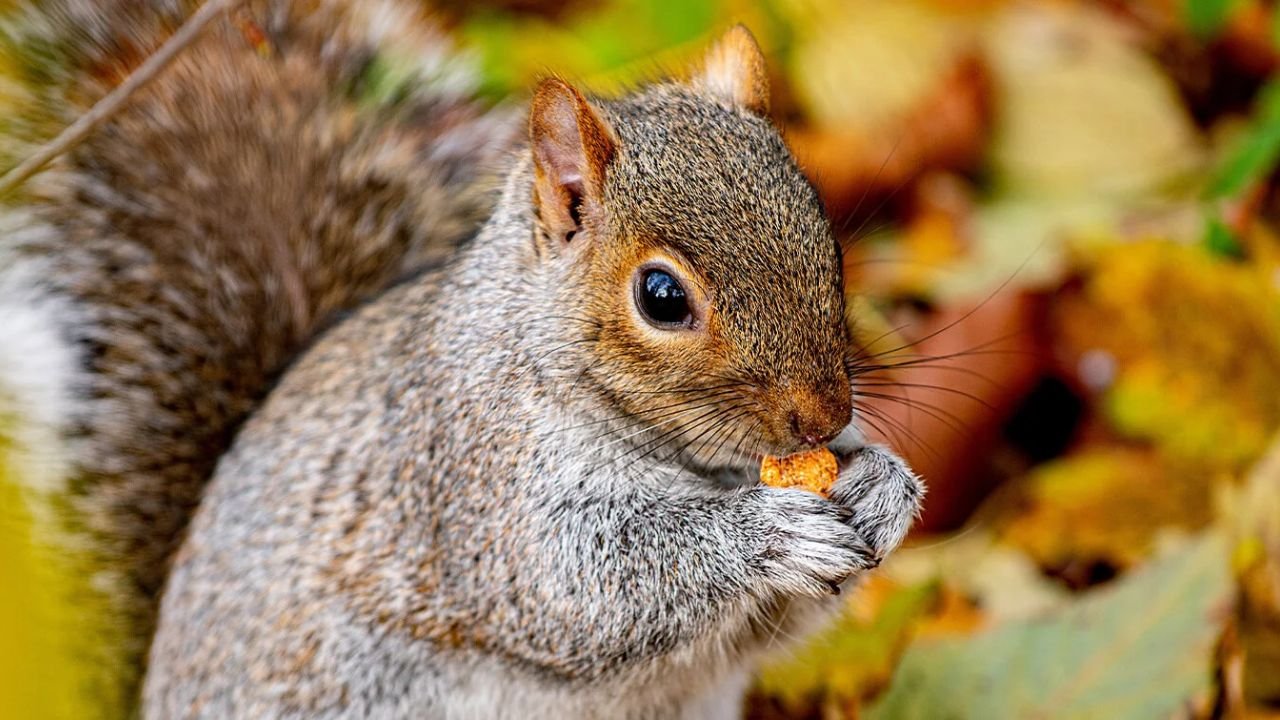
As the weather begins to cool in many parts of the United States, people start noticing a familiar sight: squirrels gathering nuts, seeds, and acorns with surprising urgency. They race up trees, dig small holes in the ground, and hide food everywhere—sometimes even in flowerpots or under backyard furniture. This seasonal behavior might look playful or chaotic, but it’s actually an important survival strategy.
Squirrels have evolved remarkable instincts that help them sense upcoming temperature changes long before humans notice them. Their food-storing habits are not random; they are carefully planned actions that allow them to survive cold winters when food becomes scarce. Here’s why squirrels store extra food before the temperature drops and what this behavior tells us about nature’s seasonal rhythms.
They can sense environmental changes earlier than humans
Squirrels rely on more than just temperature to know when winter is approaching. They use a combination of daylight changes, humidity shifts, and natural cues from their surroundings.
Scientists have found that squirrels can detect:
- shorter daylight hours
- decreasing sunlight intensity
- changes in plant growth
- earlier morning chills
These signals activate their natural instinct to start storing food. While humans wait for the weather forecast, squirrels already know cold days are coming.
Food becomes scarce in winter, so early storage is essential
The biggest reason squirrels collect extra food is simple: there isn’t much to eat in winter. In colder months, insects disappear, plants stop producing nuts and berries, and many seeds become hard to find.
By gathering food in the fall, squirrels ensure they have a reliable supply during months when:
- fresh food is limited
- snow covers the ground
- trees stop dropping nuts
- predators may be more active
Even squirrels that don’t hibernate depend on these stored reserves to stay alive until spring returns.
Squirrels use “scatter-hoarding” to store hundreds of food caches
Squirrels don’t keep all their food in one place. Instead, they use a method called scatter-hoarding, where they hide individual nuts or seeds in dozens or even hundreds of different spots.
This method helps them:
- avoid losing all their food to other animals
- reduce the risk of theft
- find at least some food even if snow covers certain areas
- spread out their resources safely
Some squirrels can dig and hide food in more than 1,000 locations each season. Their memory is strong enough to remember most of these hiding spots, even after snowstorms.
They store high-energy foods to help them survive cold nights
When temperatures drop, squirrels need extra calories to keep their bodies warm. That’s why they prefer storing foods that are rich in:
- fats
- proteins
- natural oils
Common choices include acorns, walnuts, pine cones, sunflower seeds, and chestnuts. These foods provide long-lasting energy, which is crucial during freezing nights or long winter days with limited movement.
Storing more food helps them avoid predators
Winter makes squirrels more vulnerable. Snow-covered ground and bare trees expose them to predators like hawks, coyotes, foxes, and owls.
By preparing early, squirrels reduce the need to travel long distances during winter. The more food they have stored nearby, the less time they spend outside searching for something to eat. This means:
- fewer risks
- fewer exposure hours
- better overall survival
In short, preparing early helps squirrels stay safer when danger is highest.
Some squirrels check their storage frequently to keep food fresh
Many squirrels revisit their hiding spots throughout the fall. They move food around, create new hiding places, and even remove spoiled items. This behavior ensures that when winter arrives, most of their stored food is still edible.
Some species, especially gray squirrels, sort food by type. For example:
- acorns with higher moisture are buried deeper
- dry nuts are stored closer to the surface
- damaged nuts are rejected
This level of organization shows just how intelligent and strategic these small animals can be.
Their instincts strengthen during “fall frenzy” season
In late summer and early fall, squirrels enter a phase known as fall hyperphagia or fall frenzy. During this period:
- their appetite increases
- their activity levels rise
- they spend most of their day collecting and burying food
This natural boost in energy helps them prepare as much as possible before winter officially begins. Even young squirrels experience this instinct, showing that it’s a built-in survival behavior passed down through generations.
Food storage helps new generations survive too
Many squirrels raise their last litter of the year just before the cold months. By storing food early, adult squirrels ensure that younger ones also have access to necessary resources.
This stored food supports:
- juvenile squirrels learning to forage
- new families that may not have enough experience
- mothers who need additional calories
Without sufficient food reserves, many young squirrels would struggle to make it through their first winter.
Nature’s reminder that animals prepare long before winter arrives
Watching squirrels race around collecting nuts may look amusing, but it’s a powerful example of how animals adapt to seasonal change. Their early preparation shows just how sensitive wildlife is to the environment—and how much they depend on instinct to survive.
As ocean animals, birds, and land wildlife change their behavior with the shifting seasons, squirrels remain one of the clearest reminders that nature is always preparing ahead of time.
Whenever you see a squirrel burying a nut, it’s not just storing food—it’s responding to nature’s signals long before the first freeze hits.
