


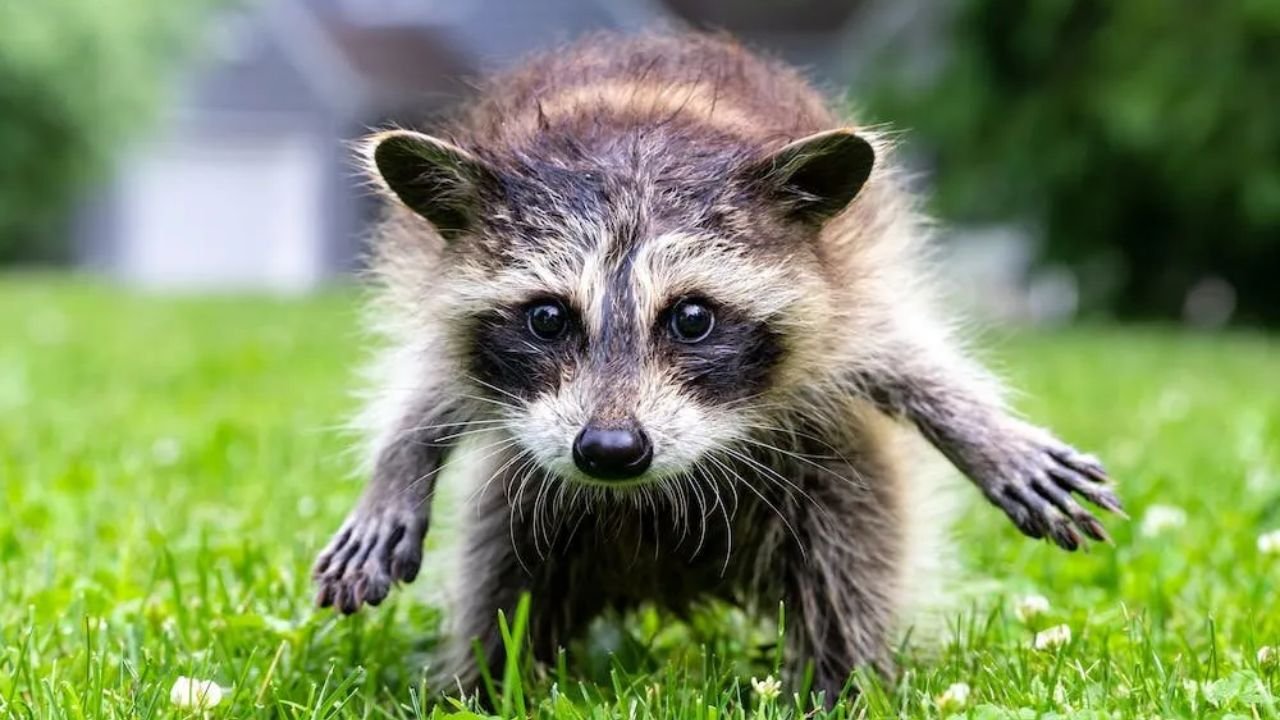
Wild animals showing up near homes is becoming more common across many parts of the United States. From deer walking through neighborhoods to raccoons searching porches and bears wandering into backyards, these sightings often increase during season changes. While these moments may seem surprising or even alarming, they usually have simple explanations. Seasonal shifts affect food supply, temperature, daylight, and natural behavior — all of which influence how wildlife moves.
Understanding why animals appear near residential areas can help people stay safe, protect local wildlife, and handle unexpected encounters calmly. Here are the main reasons wild animals approach homes during changing seasons.
Food shortages push animals toward neighborhoods
Seasonal changes sometimes reduce the availability of natural food sources. When resources become limited, animals begin exploring new areas to survive.
During winter, many species struggle to find enough to eat in forests or fields. Snow, frozen ground, and barren trees force animals like:
- deer
- raccoons
- foxes
- squirrels
- bears
to search for food closer to homes. Garden plants, trash cans, bird feeders, and even pet food left outside can attract hungry wildlife quickly.
In warmer months, early heat waves or extended dry periods can also limit natural food sources, causing animals to roam farther than usual.
Temperature changes shift natural movement patterns
Wildlife reacts immediately to temperature shifts. Sudden cold fronts, early heat waves, or seasonal transitions can cause animals to move into areas where conditions feel more comfortable.
For example:
- A warm spell in winter may bring out animals earlier than expected.
- A rapid drop in temperature may drive them to sheltered spots near homes.
- Heatwaves can push animals toward shaded yards or water sources like ponds or birdbaths.
When habitats become too hot, cold, dry, or wet, wildlife adapts by expanding their search for stable conditions — and sometimes that means entering neighborhoods.
Breeding season increases movement and risk-taking
Breeding seasons vary by species, but many animals become more active or adventurous during this time.
This behavior can lead to:
- male animals roaming farther in search of mates
- mothers looking for safer nesting areas
- increased activity during dawn or dusk
Birds, raccoons, foxes, deer, and even coyotes may appear near homes more often during mating months because they are naturally more mobile and less cautious.
In spring, nesting activities may bring animals close to houses as they look for quiet, sheltered spaces.
Young animals exploring new territory
Late spring and summer often bring an increase in sightings of young wildlife. Around this time, animals like fox pups, raccoon kits, and deer fawns begin exploring beyond their dens for the first time.
Because they are still learning:
- they may wander into backyards
- they may not recognize dangers
- they may become curious about new smells, sounds, or food sources
These young animals usually move back to safer habitats as they mature and become more cautious.
Seasonal water shortages force animals to travel farther
During hot or dry seasons, natural water sources like streams and ponds can shrink or disappear. When this happens, wildlife may travel into neighborhoods to find accessible water.
Animals often look for:
- birdbaths
- garden sprinklers
- backyard ponds
- pet bowls left outside
Dehydration is a major challenge during late summer droughts, making water one of the top reasons animals approach homes.
Habitat changes make animals search for new shelter
Seasonal storms, wildfires, hurricanes, or heavy rainfall can damage natural habitats. When shelters are lost or disturbed, animals have little choice but to move into new territories — even temporarily.
Some common examples include:
- owls or birds nesting in home vents
- squirrels seeking warmth in attics
- raccoons looking for dry spaces under porches
- deer gathering in open yards after storms flatten vegetation
Habitat disruption is one of the most common reasons animals suddenly appear in suburban areas.
Human activity unintentionally attracts wildlife
Sometimes animals come near homes because people unintentionally invite them without realizing it. Seasonal habits like raking leaves, gardening, or putting up bird feeders can draw animals closer.
Common attractants include:
- compost piles
- unsecured trash bins
- leftover pet food
- fallen fruit from trees
- seasonal decorations with edible scents
During changing seasons, these attractants stand out even more because animals are already adjusting their routines.
Safe ways for communities to handle seasonal wildlife visits
Wild animals are not trying to be dangerous; they are simply responding to seasonal needs. However, it helps to be safe and responsible.
Communities can reduce risks by:
- securing trash cans
- avoiding leaving food outdoors
- cleaning up fallen fruits
- removing standing water after storms
- sealing attic or porch openings
- keeping distance and never feeding wildlife
Feeding wild animals — even unintentionally — can cause long-term problems for both people and wildlife.
Seasonal wildlife movement is natural, but awareness matters
When wild animals appear near homes during seasonal changes, it’s usually a sign that nature is shifting around them. Temperature swings, food shortages, breeding cycles, water needs, and habitat disturbances all play a major role in how wildlife moves.
These visits are a reminder of how closely human neighborhoods connect with natural ecosystems. By understanding the reasons behind these behaviors, people can stay safe, protect wildlife, and help maintain a healthy balance between communities and nature.
