


Introduction
Choking is one of the most common and dangerous emergencies affecting infants and young children. It can happen in seconds, often silently, and without warning. According to health organizations worldwide, choking is a leading cause of unintentional injury and death in children under five. Despite its frequency, many parents are unaware of how quickly choking can occur—and how preventable it often is.
The concern around choking hazards isn’t new. Historical medical records show that choking incidents among children have been documented for centuries, especially before modern pediatric safety guidelines were developed. Over the years, pediatricians, first-aid experts, and public health organizations have emphasized the importance of awareness, prevention, and rapid response.
In today’s world—where children have access to toys, processed foods, electronic parts, and household items—the risk of choking remains high. Understanding what causes choking, why it’s so dangerous, and how parents can protect their children is crucial. This article explores everything parents need to know, including the future of child safety innovations and preventive health opportunities.
Understanding Choking: Why Children Are More Vulnerable
Children are naturally curious. They explore with their hands and mouth, which makes them far more likely to put objects or food into their mouths. But anatomically, children also have narrower airways, underdeveloped chewing abilities, and a tendency to get distracted while eating—all of which increase the risk of choking.
Common Causes of Choking in Children
-
Foods: whole grapes, nuts, popcorn, chunks of cheese, hot dogs, hard candy
-
Small Toys: building blocks, marbles, detachable plastic pieces
-
Household Items: coins, bottle caps, pen caps, batteries
-
Unsupervised Eating: running or playing while eating
Understanding these risks helps parents create a safer environment at home, in school, and in play areas.
The History of Choking Prevention in Children
The structured approach to choking prevention began in the mid-1900s when medical experts recognized the need for standardized first-aid techniques. The Heimlich Maneuver, introduced in 1974, revolutionized emergency care for choking victims. Shortly after, pediatric versions of these techniques were developed.
Throughout the 20th and 21st centuries, organizations such as pediatric associations, Red Cross, and child safety advocacy groups have created guidelines for:
-
Safe food preparation for young children
-
Toy safety standards
-
Parent and caregiver first-aid training
-
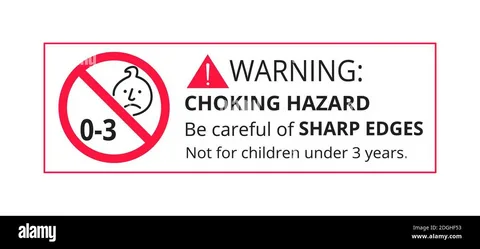
Hazard labeling on products
Today, choking prevention is part of global child safety programs, and continues to evolve with new research and technological innovations.
Why Choking Awareness Is Important
Choking can cause:
-
Brain damage
-
Loss of consciousness
-
Long-term respiratory complications
-
Death within minutes
Immediate recognition and response can save a child’s life. Parents, caregivers, teachers, and babysitters must know the signs of choking and when to intervene.
Warning Signs of Choking
-
Inability to speak
-
Weak or silent coughing
-
Bluish skin (cyanosis)
-
Panic or clutching the throat
-
Gagging without airflow
Rapid action—combined with knowledge of pediatric choking first aid—dramatically improves outcomes.
Odd Ways Choking Risks Hide in Daily Life
Many parents assume that only certain foods or toys pose risk, but choking hazards can be surprisingly hidden in daily routines.
1. Uncut or Poorly Cut Food
Even healthy foods like apples, carrots, or grapes can be dangerous when not cut into child-safe sizes.
2. Balloons
Latex balloons are among the top causes of choking because popped pieces easily lodge in the airway.
3. Clothing or Accessories
Buttons, beads, hair clips, and decorative items can easily be swallowed.
4. Distraction During Meals
Screens, toys, and playing while eating are major contributing factors.
5. Small Batteries
Button batteries pose both choking and chemical burn hazards.
Being aware of these risks empowers parents to create safer environments.
Future Opportunities in Child Safety and Choking Prevention
As technology evolves, so do child safety solutions. The future will bring innovative tools and programs including:
1. Smart Monitoring Devices
Developers are working on wearable monitors that detect choking-related breathing changes in real-time.
2. Safer Toy Engineering
Toy companies increasingly invest in child-proof designs, safer materials, and non-detachable parts.
3. AI-Based Child Safety Training
Virtual simulations and AI-powered training programs are making first-aid education more accessible worldwide.
4. Global Public Health Initiatives
Countries are collaborating to standardize food labeling, toy safety standards, and emergency care training for parents.
5. Parent Education Expansion
Future campaigns will focus on choking awareness in homes, schools, restaurants, and public playgrounds.
How Parents Can Prevent Choking at Home
1. Food Safety Tips
-
Cut foods into age-appropriate sizes
-
Avoid nuts, popcorn, and hard candy for toddlers
-
Encourage slow, seated eating
2. Supervise Meal Times
Never allow children to play, run, or laugh while eating.
3. Conduct Toy Inspections
Regularly check toys for small detachable parts or damage.
4. Childproof the Home
Keep small objects, batteries, and coins out of reach.
5. Learn First Aid
Every caregiver should know choking rescue techniques suitable for infants and children.
Frequently Asked Questions (FAQs)
1. At what age is choking risk highest?
The highest risk is between 6 months and 3 years, when children begin exploring independently.
2. Can soft foods cause choking?
Yes. Foods like peanut butter or gummy candies can block airways even though they’re soft.
3. Should a choking child be given water?
No. Do not put anything in the child’s mouth until the airway is cleared.
4. How fast can choking become fatal?
A full airway block can cause unconsciousness within 1–2 minutes and brain damage within 4–6 minutes.
5. Are choking incidents more common indoors or outdoors?
Most incidents occur indoors, especially during meals or unsupervised play.
Simple Tips for Parents to Reduce Choking Risk
-
Avoid multitasking during your child’s meals
-
Regularly update knowledge of child safety guidelines
-
Store small items out of sight and reach
-
Teach older siblings to keep small toys away from babies
-
Encourage calm, seated eating habits from infancy
Conclusion
Choking is a fast, silent, and potentially fatal hazard for young children—but it is also largely preventable. By understanding the causes, recognizing the warning signs, practicing safer eating habits, and educating themselves on first aid, parents can significantly reduce the risks.
As we move into 2025 and beyond, advances in technology, global safety standards, and parent education will continue to improve child safety worldwide. Awareness and preparedness remain the strongest tools parents have to protect their children from choking emergencies.
