


Introduction: A Growing Health Concern for India’s Young
Vitamin D deficiency in children has emerged as a major public health concern worldwide, and India is no exception. Despite being a tropical country with abundant sunlight, research shows that a large percentage of Indian children suffer from inadequate Vitamin D levels. This deficiency affects bone development, immunity, cognitive growth, and overall well-being.
Historically, Vitamin D—often known as the “sunshine vitamin”—was discovered in the early 20th century when scientists linked sunlight exposure to the prevention of rickets, a childhood bone deformity that was widespread during the Industrial Revolution. Since then, Vitamin D has been recognized as one of the most essential nutrients, especially for growing children.
Today, modern lifestyle changes, indoor schooling, limited outdoor play, increased screen time, and dietary gaps have significantly reduced Vitamin D absorption, putting millions of children at risk. As nutritionists and pediatric experts raise concerns, understanding the early warning signs becomes essential for parents, caregivers, and educators.
Why Vitamin D Matters for Children
Vitamin D is vital for:
-
Bone and teeth development
-
Calcium absorption
-
Immunity and infection resistance
-
Healthy muscle function
-
Brain development and mood regulation
Without enough Vitamin D, growing children face multiple health challenges that can affect long-term development.
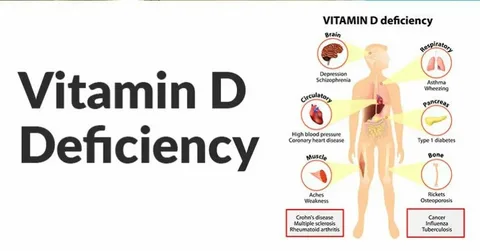
Common Warning Signs of Vitamin D Deficiency in Children
Nutritionists emphasize that Vitamin D deficiency often progresses silently. However, there are clear signs that parents should watch for:
1. Frequent Illness or Weak Immunity
Low Vitamin D levels weaken the immune system, making children more prone to colds, flu, and respiratory infections.
2. Bone Pain or Muscle Weakness
Vitamin D deficiency affects calcium absorption, leading to:
-
Leg pain
-
Lower back pain
-
Muscle cramps
-
Difficulty climbing stairs or rising from the floor
3. Delayed Growth or Stunted Height
Chronic deficiency can slow growth rates and affect skeletal strength.
4. Dental Problems
Signs may include:
-
Delayed tooth eruption
-
Weak enamel
-
Increased cavities
5. Fatigue and Low Energy Levels
Children may feel unusually tired or struggle to stay active.
6. Irritability or Mood Swings
Vitamin D plays a role in brain function, and deficiency may contribute to irritability, low mood, or emotional sensitivity.
7. Sweaty Forehead
One of the earliest classical symptoms linked historically to Vitamin D deficiency in infants.
8. Poor Posture or Bowed Legs (Severe Cases)
Untreated deficiency can lead to rickets, causing skeletal deformities.
Why Is Vitamin D Deficiency So Common Today?
Despite sunlight being the best source of Vitamin D, several lifestyle shifts have increased deficiency rates:
-
Indoor learning environments
-
Increased screen time
-
Air pollution reducing UVB exposure
-
Sunscreen overuse
-
Limited outdoor play in urban areas
-
Poor dietary intake
Foods rich in Vitamin D include:
-
Egg yolks
-
Fortified milk
-
Mushrooms
-
Fish like salmon and tuna
However, these foods are often missing from many children’s diets.
Future Opportunities to Improve Vitamin D Health in Children
Health experts anticipate several improvements in 2025 and beyond:
-
Increased fortification of foods (milk, cereals, oils)
-
School-based sun exposure programs
-
Government-led awareness drives on child nutrition
-
Improved screening for Vitamin D levels
-
Digital tools for monitoring child nutrition
India’s nutrition landscape is evolving rapidly, offering better prevention strategies for future generations.
Tips from Nutritionists to Boost Vitamin D Naturally
1. Ensure Safe Sun Exposure
10–20 minutes of morning sunlight, 3–4 times a week, is often sufficient.
2. Include Vitamin D-Rich Foods
Add fortified foods, mushrooms, egg yolks, and fish to meal plans.
3. Encourage Outdoor Play
Physical activity enhances bone strength and increases natural sunlight absorption.
4. Maintain a Balanced Diet
Calcium-rich foods such as dairy, leafy greens, and ragi work synergistically with Vitamin D.
5. Get Regular Check-Ups
Periodic blood tests help monitor Vitamin D levels, especially for children who stay indoors.
Frequently Asked Questions (FAQs)
1. At what age is Vitamin D most important for children?
From infancy to adolescence, Vitamin D is crucial for bone and brain development.
2. Can Vitamin D deficiency lead to long-term harm?
If untreated, it may cause bone deformities, weakened immunity, and developmental issues.
3. Is Vitamin D supplementation safe for children?
Only under pediatric supervision. The dosage varies with age and deficiency severity.
4. How can I tell if my child needs a Vitamin D test?
If you notice persistent fatigue, bone pain, frequent infections, or poor growth, consult a doctor.
5. Can too much Vitamin D be harmful?
Yes. Excessive supplementation can cause toxicity. Only take doctor-prescribed doses.
Conclusion
Vitamin D deficiency among children is growing rapidly, especially in urban areas with limited sun exposure and lifestyle changes. By recognizing the early warning signs and taking preventive action, parents can safeguard their child’s health, development, and immunity. With improved awareness, better nutrition choices, and safe sun exposure, 2025 can be a year of stronger, healthier children across India.
