


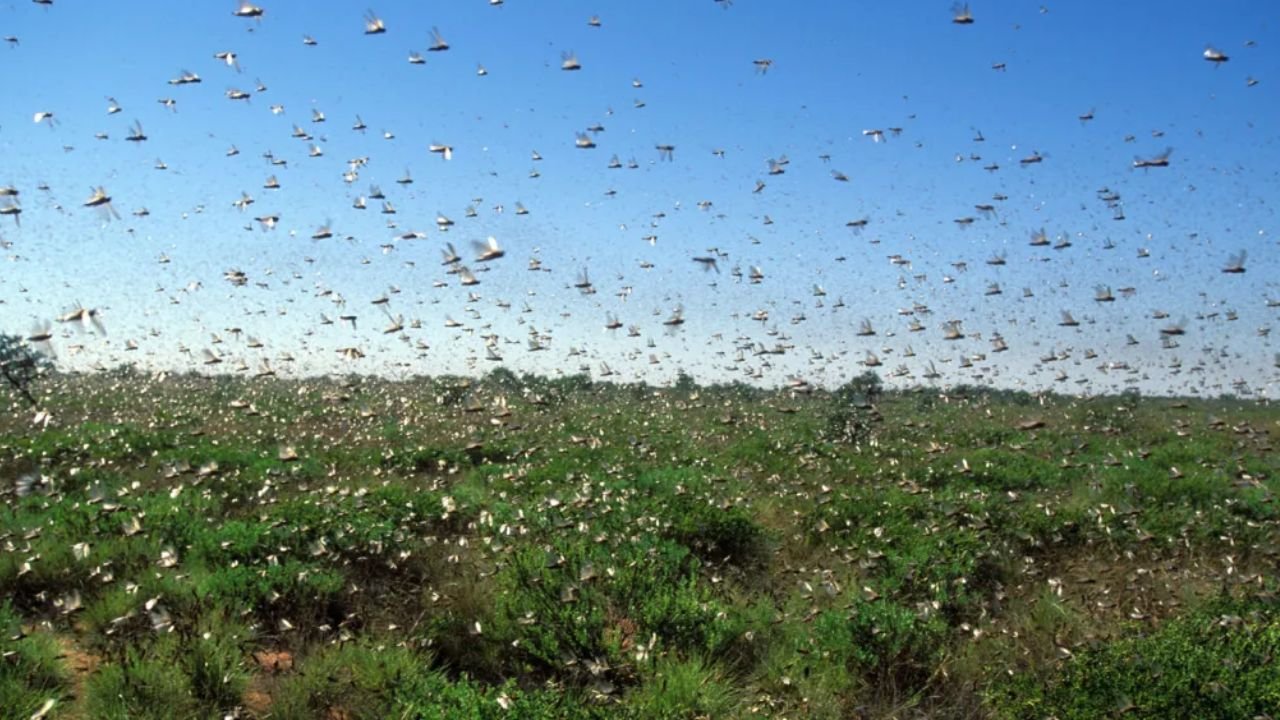
Every summer, residents in several U.S. states start noticing something unusual—large groups of insects suddenly appearing all at once. Whether it’s swarms of mayflies covering sidewalks, clouds of gnats floating near lakes, or cicadas buzzing loudly in neighborhoods, these insect events often leave people wondering what’s really happening. While the sudden appearance of so many insects can seem alarming, scientists say these swarms follow patterns connected to weather, climate, water conditions, and seasonal changes.
Understanding why these swarms appear helps explain not just insect behavior, but also how nature itself responds to shifting environmental cues. Here’s why certain states experience unusual insect swarms each summer—and what’s triggering these growing patterns.
Warmer temperatures create perfect breeding conditions
Insects are cold-blooded, meaning their activity is directly tied to temperature. When summer heat arrives, it speeds up their metabolism, breeding cycles, and movement.
Many U.S. regions—especially the Midwest, South, and East Coast—see extended warm periods that allow insects to reproduce faster than usual. This leads to:
- larger populations
- earlier hatching times
- overlapping generations
- sudden mass-emergence events
States such as Ohio, Tennessee, Missouri, and Illinois often report larger insect numbers during hot summers because the heat accelerates their life cycle.
Moisture and rainfall bring ideal environments for swarms
Warm weather alone isn’t enough. Moisture plays a major role in determining where insect swarms appear.
After heavy rain or long rainy periods, many insects find the perfect environment to lay eggs. Puddles, damp soil, wetlands, and humid air help populations explode.
Experts note that summer swarms often follow:
- late-spring storms
- rising humidity
- flooding around rivers and lakes
That’s why regions near the Mississippi River, the Great Lakes, or coastal areas see big swarms of mayflies, midges, and mosquitoes. Water-rich environments give insects everything they need to multiply quickly.
Certain insects emerge only once each year—creating sudden mass swarms
Some insects have a unique life cycle where they spend most of the year developing underground or underwater and come out only once annually. When that moment arrives, they emerge together in large numbers.
Examples include:
- mayflies that rise from lakes and rivers
- cicadas that live underground for years
- midges that hatch from wetlands all at the same time
When these insects appear, it can look like a dramatic swarm—but it’s simply their natural, coordinated emergence.
Light attracts insects, making swarms more visible
Many insect swarms appear worse than they really are because artificial lighting draws them into highly visible areas.
Streetlights, porch lights, billboards, and parking lot lamps emit wavelengths that insects can easily detect. At night, entire swarms may gather around a single bright spot, creating the illusion of unusually large numbers.
Communities near lakes or rivers often see thousands of insects clustering around:
- gas stations
- fishing docks
- beach parking lots
- residential lights
These swarms often go viral online, even though they are a normal seasonal occurrence.
Changing climates are shifting insect patterns
Researchers have noticed that insect swarms are increasing or appearing in new areas due to climate change. Warmer winters and hotter summers allow some insects to move into states where they previously could not survive.
This shift has led to:
- new species appearing farther north
- earlier-than-usual summer swarms
- longer insect seasons
- more intense hatching cycles
For example, gnats and mosquitoes that typically thrive in southern states are now being reported in states like Michigan, Wisconsin, and parts of New England.
Agricultural and forest regions attract specific swarms
States with large agricultural lands or forest cover often attract insects searching for food, shelter, or breeding areas. Fields, orchards, and wooded regions provide ideal habitats for insects like:
- grasshoppers
- beetles
- moths
- leafhoppers
When populations increase, the insects may gather in open spaces, forming large swarms that move with the wind or across fields.
This is especially common during mid-summer when crops reach peak growth and natural vegetation is plentiful.
Human activity unintentionally fuels insect growth
Some man-made conditions also contribute to insect swarms:
- standing water in yards or streets
- uncovered trash
- bright outdoor lighting
- increased irrigation in dry states
Urban heat islands (city areas that trap heat) also warm the environment, allowing insects to stay active longer.
As cities grow and summers become warmer, insects find more habitats than ever before.
Local authorities track and manage unusual insect activity
Many states track insect patterns, especially species that can affect health or agriculture. Wildlife and environmental agencies monitor water levels, breeding sites, and seasonal temperatures to predict swarming events.
Communities often take simple steps to reduce local swarms, such as:
- adjusting lighting near water
- removing standing water
- using insect-safe management methods
- issuing public notices when large swarms are expected
These efforts help reduce surprise encounters and make summers more comfortable for residents.
Understanding insect swarms helps communities prepare
Unusual insect swarms may look dramatic, but they usually follow natural patterns influenced by heat, moisture, light, and environmental change. Each summer brings different combinations of these factors, leading to noticeable increases in certain U.S. states.
By recognizing why these swarms happen, communities can better prepare, protect their homes, and understand the natural cycles happening around them. And while the sudden appearance of thousands of insects may be startling, it’s also a reminder of how closely connected seasonal weather is to the behavior of even the smallest creatures.
