


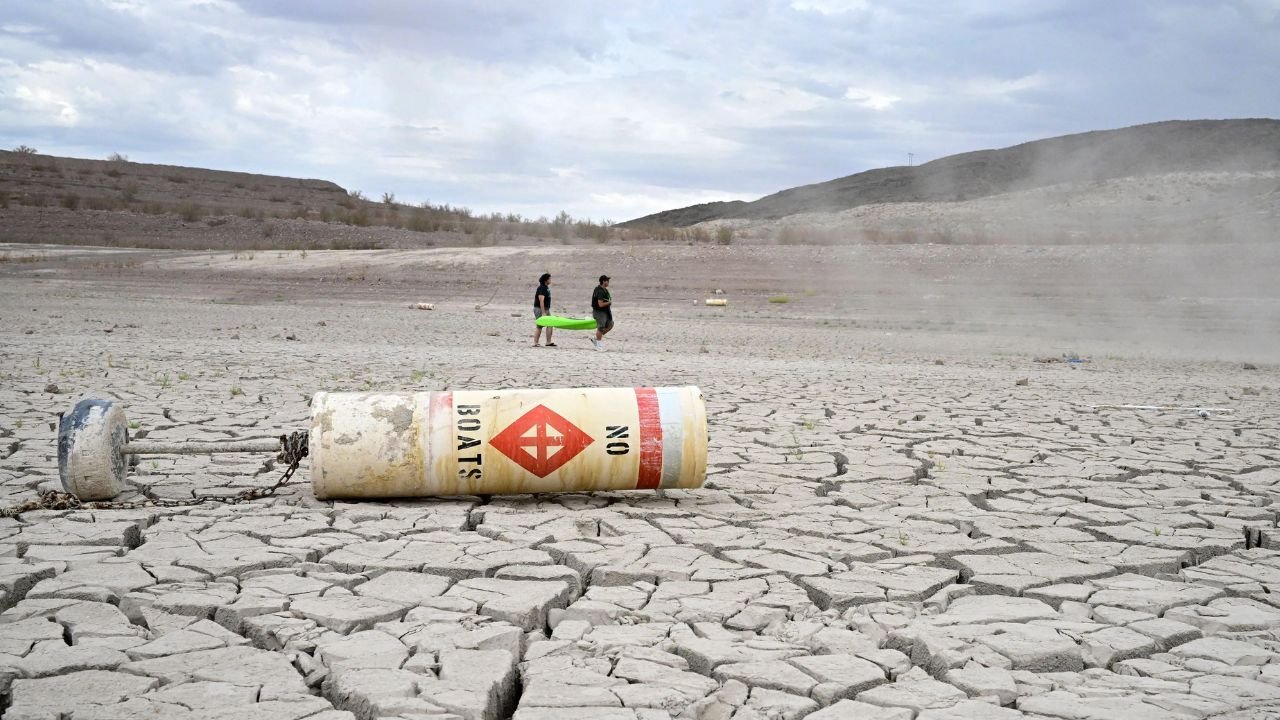
Many U.S. states are experiencing an unusual pattern: long periods of dry, intense drought followed by sudden, destructive floods. These drastic swings from dry to wet conditions have become more common in recent years, leaving both residents and scientists searching for answers.
The shift between drought and flooding may seem contradictory, but experts say these events are closely linked. Changes in weather patterns, rising temperatures, and stressed ecosystems all play a role in why some states swing from one extreme to the other so quickly. Here’s why it’s happening and what it means for communities across the country.
Warmer temperatures dry out soil faster
One major reason behind sudden drought conditions is the rapid rise in temperatures across many regions. When the air gets hotter, it pulls moisture from the soil much faster than normal. Even areas that receive rain can still end up dry because the ground loses water at a high rate.
This leads to:
- hard, cracked soil
- reduced groundwater levels
- stressed crops and vegetation
- increased fire risk
Once the ground becomes extremely dry, it becomes much harder for it to absorb water in the future. This sets the stage for flash flooding when rain finally returns.
Droughts weaken the land, making floods worse
When drought lasts for weeks or months, the soil becomes compacted—almost like concrete. In this condition, the ground cannot absorb water quickly. So when heavy rain suddenly hits, the water runs off instead of soaking in.
This is a major reason why states often jump from drought to intense flooding within a short period.
During these events:
- Water flows quickly over dry land
- Rivers rise faster than normal
- Roads and neighborhoods flood suddenly
- Mudslides and debris flows become more common
This pattern is especially visible in states like California, Texas, Arizona, and Nevada.
Atmospheric rivers and intense storms hit dried-out areas
Many U.S. regions now experience more powerful storms than they once did. In the West Coast, “atmospheric rivers” carry huge amounts of moisture from the Pacific Ocean and drop them in the form of heavy, fast rainfall.
When these storms land on drought-stricken ground, the result is a rapid switch from dry to flooded conditions.
In the Southwest, sudden monsoon bursts can overwhelm dry desert landscapes within minutes. The combination of intense heat and storms makes the transition even more dramatic.
Climate patterns like El Niño and La Niña increase weather swings
Large-scale climate patterns play a major role in why some states face extremes throughout the year.
El Niño often brings heavy rainfall to certain regions, while
La Niña usually causes dry, drought-like conditions.
When these cycles shift, states may experience sudden changes in weather, including:
- unusually wet winters
- extremely dry summers
- unpredictable storm seasons
The rapid transition between these phases contributes to the extreme contrast between drought and flooding.
Storms are delivering more rain in shorter bursts
Scientists have noticed that many storms today carry more moisture than storms decades ago. Warmer air can hold more water vapor, which means when rain falls, it tends to fall quickly and heavily.
This “short but intense” rainfall pattern leads to:
- flash floods in cities
- overwhelmed drainage systems
- overflowing rivers
- sudden street flooding
Dry land is simply not able to absorb this much water in such a short amount of time.
Wildfires make flooding even more dangerous
In states that experience severe droughts, wildfires often follow. Burned landscapes are extremely vulnerable to flooding.
After a wildfire:
- soil becomes water-repellent
- tree roots that once held soil together are gone
- even light rain can trigger mudslides
- heavy rain causes massive debris flows
This is why areas recently affected by wildfires are at high risk of flash floods even if the drought ends.
Urban development adds to the problem
Many cities are expanding rapidly, covering natural land with concrete, pavement, and buildings. These surfaces don’t absorb water at all.
So when a state goes from drought to heavy rain:
- water runs off streets quickly
- storm drains overflow
- neighborhoods flood faster
- rivers fill up rapidly
Urban areas often see the worst effects of the sudden shift from drought to flooding.
Communities are learning to prepare for both extremes
Because the cycle of drought followed by flooding is becoming more frequent, states are adapting with new strategies. Some regions are investing in improved drainage systems, flood control projects, and water storage solutions. Others are updating emergency response plans to deal with rapid weather changes.
Residents are also learning to stay alert. Flash flood warnings, heat advisories, and drought updates are now part of everyday life in many parts of the country.
A future of more weather extremes
The pattern of sudden droughts followed by intense floods is a sign of how sensitive our environment is to changing temperatures. Warmer air dries out soil faster, and storms bring more rainfall than before. The result is a dangerous cycle where water disappears for long periods and then returns all at once.
For now, scientists expect these extremes to continue. Understanding why they happen is the first step toward preparing for a future where rapid shifts in weather become a normal part of life in many U.S. states.
