


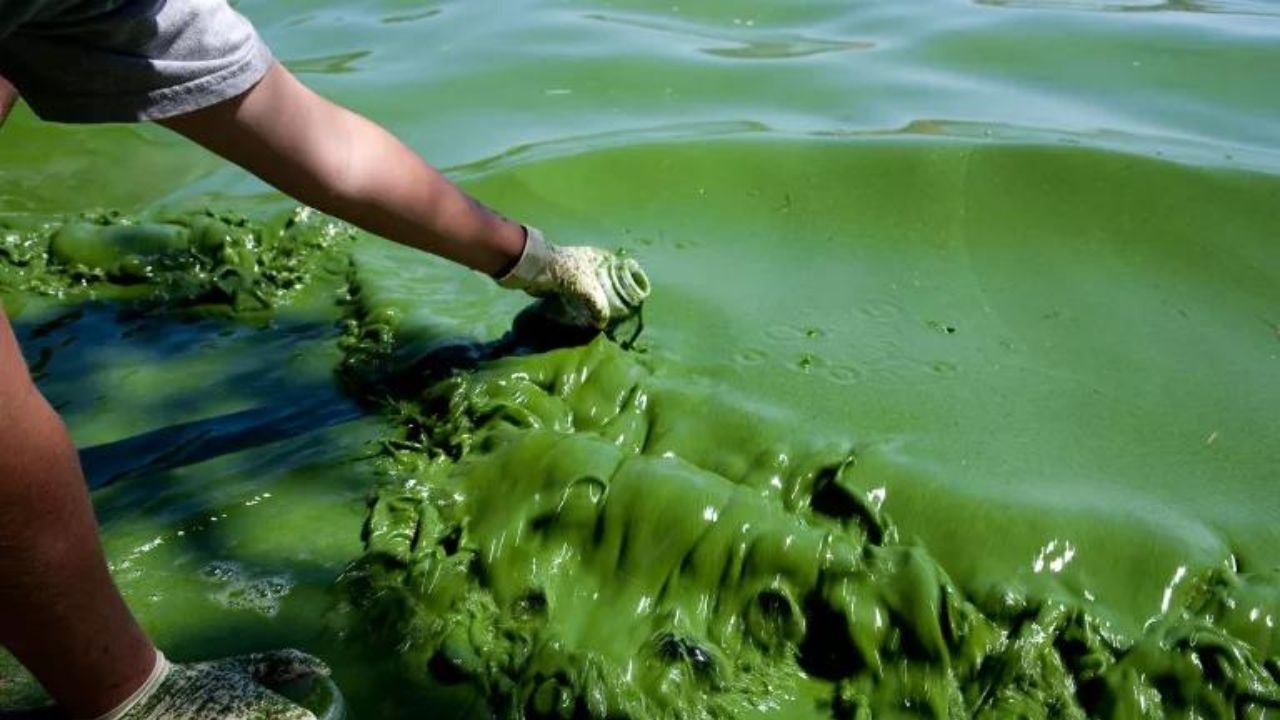
Across many regions of the United States, lakes that once looked calm and clear are now seeing more frequent algae blooms. These green or sometimes blue-colored layers floating on the surface can appear suddenly and spread quickly, leaving local residents concerned about the health of their lakes. While algae have always been part of freshwater ecosystems, scientists say the rapid increase in blooms is not natural—it’s a sign of bigger environmental changes happening across the country.
Understanding why algae blooms are appearing more often helps communities protect their lakes, wildlife, and water quality. Here’s a closer look at the main reasons behind this growing trend.
Rising temperatures are creating perfect conditions for algae
One of the biggest drivers of algae growth is rising water temperatures. Algae thrive in warm, still water, and many U.S. lakes are heating up earlier and staying warm longer each year.
Warmer water:
- speeds up algae reproduction
- decreases oxygen levels, harming fish
- allows harmful algae species to spread faster
States like Florida, Ohio, Minnesota, Wisconsin, and Michigan have already reported significant increases in summer algae blooms. When lakes warm even a few degrees higher than normal, algae can multiply at a pace that surprises local authorities.
Nutrient runoff is feeding algae growth
Another major cause is nutrient pollution. Lakes across the U.S. are receiving increased runoff from surrounding land—especially nutrients like nitrogen and phosphorus. These nutrients act like fertilizer for algae.
Runoff often comes from:
- agricultural fields
- lawn fertilizers
- livestock farms
- stormwater carrying soil and chemicals
- aging septic systems
When heavy rain pushes these nutrients into lakes, algae bloom rapidly. This is why large blooms often appear right after storms or during peak farming seasons.
In some areas, nutrient levels have built up in lake sediments over years, making blooms harder to control even after cleanup efforts begin.
Calmer waters are encouraging algae to spread
Algae prefer calm, slow-moving water. With changing weather patterns, many parts of the country are experiencing longer periods without wind or strong currents. This stillness allows algae to stay near the surface, where they receive direct sunlight and grow faster.
Periods of drought also reduce lake water levels, creating warmer, quieter environments that algae love.
Some lakes that once had strong water flow due to snowmelt or regular storms now experience weaker circulation, giving algae even more opportunity to bloom.
Invasive species are altering lake ecosystems
In certain regions, invasive species are making algae blooms worse. For example, zebra mussels and quagga mussels, which have invaded many U.S. lakes, filter out beneficial plankton but leave algae behind.
This disrupts the food chain and allows algae to dominate.
These invasive species:
- reduce the competition algae normally face
- increase water clarity, which surprisingly helps algae absorb more sunlight
- weaken the natural balance of lake ecosystems
When natural competitors decrease, algae gain the advantage and bloom more frequently.
Storm patterns and heavy rainfall wash more nutrients into lakes
Intense storms, which are becoming more common in many regions, often wash large amounts of nutrients and debris into lakes all at once. This sudden surge acts like a massive fertilizer dump.
After major storms, authorities often report:
- thick surface scums
- sudden green patches along shorelines
- murky water
- unusual odors
These blooms can spread rapidly and sometimes turn toxic, depending on the algae species involved.
Human activity is increasing pressure on lake ecosystems
Growing populations around lakes mean more homes, roads, lawns, and septic systems—all of which can contribute to runoff. Even small actions, like overwatering lawns or using too much fertilizer, eventually impact nearby water bodies.
Other human activities worsening algae problems include:
- shoreline construction
- removal of natural vegetation
- boating that stirs up lake sediments
- unmanaged storm drains
Over time, these collective impacts reduce a lake’s natural ability to filter itself.
Toxic algae blooms are raising health concerns
Not all algae are dangerous, but some produce toxins that can harm people, pets, and wildlife. These harmful algae blooms (HABs) can cause:
- skin irritation
- nausea or headaches
- fish die-offs
- pet deaths when animals drink contaminated water
Several U.S. states now issue seasonal warnings to keep people away from affected lakes until conditions improve.
Communities are working to slow the rise of algae blooms
Even though algae blooms are becoming more common, many communities are taking action to protect their lakes.
Efforts include:
- reducing fertilizer use
- improving stormwater systems
- planting native vegetation along shorelines
- monitoring water temperatures and nutrient levels
- educating residents about pollution and runoff
Some states have introduced long-term lake management plans to prevent blooms from becoming more severe.
A visible sign of a changing environment
The increasing frequency of algae blooms in U.S. lakes is a clear indicator of how changing temperatures, human activity, and shifting ecosystems impact freshwater environments. While algae will always exist, the recent surge shows that America’s lakes are under pressure like never before.
Understanding the causes helps communities take steps to protect water quality and preserve the natural beauty of these important ecosystems for future generations.
