


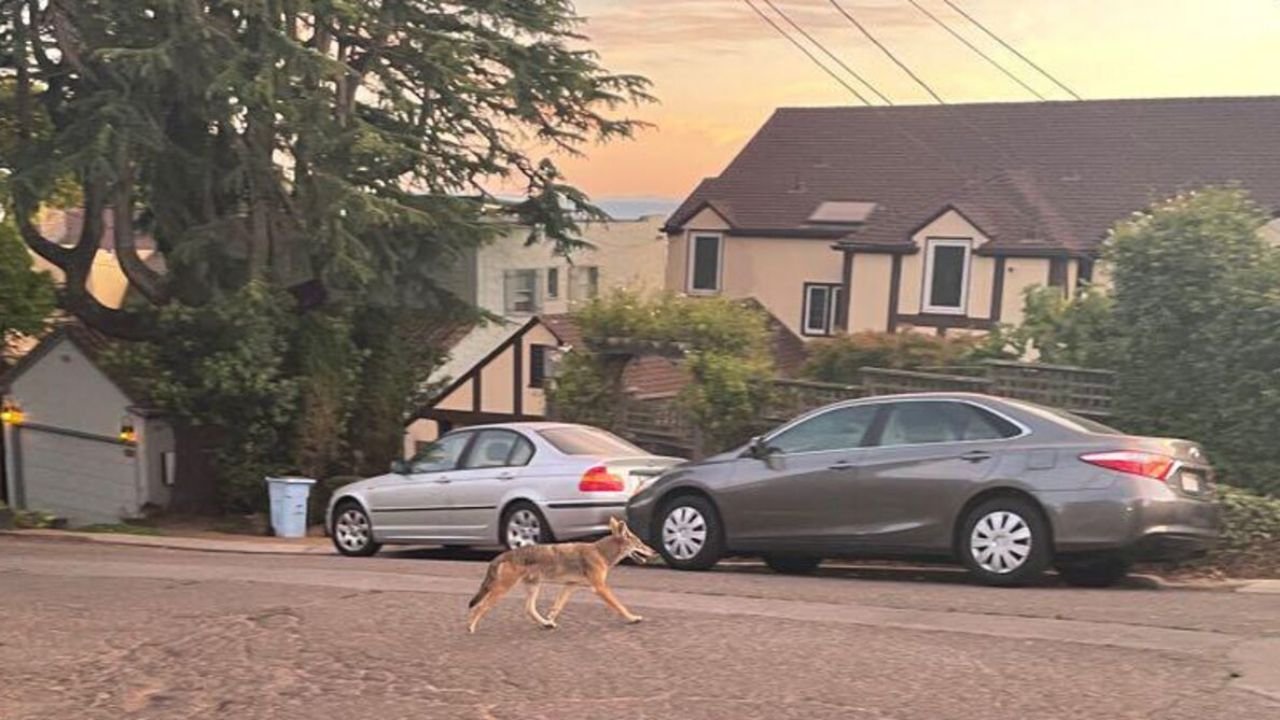
Wild animals wandering into neighborhoods was once rare, but today it’s becoming a common sight across many parts of the United States. From bears rummaging through backyards to coyotes walking across suburban streets, animals are showing up in places people never expected. Scientists say climate change is one of the major reasons behind this growing trend.
As temperatures rise, ecosystems shift, and natural food sources change, wildlife is being forced out of their habitats and into human-populated areas in search of food, water, and safety. This sudden movement is not random—it reflects deeper environmental changes happening across the country.
Rising temperatures are altering natural habitats
The first and most direct impact of climate change is the warming of the environment. Many wild animals rely on specific temperature ranges to survive and find food. When those temperatures rise, animals are pushed to move.
Researchers have noticed:
- animals migrating earlier in the season
- species traveling farther than before
- wildlife appearing at higher elevations or deeper into cities
- animals entering neighborhoods during heatwaves
For animals that can’t adapt quickly, moving into developed areas becomes a matter of survival.
Droughts and extreme weather reduce food and water sources
Climate change has increased the frequency of droughts, heavy storms, and unexpected weather events. These extreme conditions disrupt the food chain, making it harder for wildlife to find what they need in their natural habitats.
In many states, droughts have:
- dried up ponds and streams
- reduced vegetation that herbivores depend on
- affected the availability of insects and small prey
- pushed predators to follow their shifting food sources
When water becomes scarce, animals like deer, coyotes, and mountain lions often search for water in residential areas, where sprinklers, bird baths, and backyard ponds become attractive sources.
Wildfires are forcing animals to flee their habitats
Wildfires have become more intense and widespread in recent years. Millions of acres of forests and grasslands have burned, leaving animals with nowhere to go.
During and after wildfires, residents often report:
- deer running through neighborhoods
- bears entering backyards
- birds landing in unusual places
- small mammals seeking shelter under porches or sheds
After their homes are destroyed, animals may stay in residential areas longer than expected because food and shelter are immediately available.
Shifts in prey movement are attracting predators to human areas
As temperatures change, so do the movements of prey animals. Small mammals, birds, and insects shift locations based on where food and shelter remain available. Predators naturally follow them.
For example:
- coyotes may follow rabbits into suburban yards
- bobcats may enter neighborhoods because rodents thrive near human settlements
- hawks may hunt near homes where small birds feed at backyard feeders
When prey move toward human environments, predators often come with them, even if they previously avoided people.
Human development is expanding into wildlife territory
While climate change is a major factor, expanding human development also plays a role. As housing projects, roads, and commercial areas spread into previously wild regions, animals lose parts of their habitat.
The combination of habitat loss and climate-driven changes makes wildlife movement into neighborhoods almost unavoidable.
Experts note that animals often enter communities because:
- natural hiding areas have been removed
- noise and disruption push them away
- their hunting routes or migration paths are blocked
- food sources near homes are easier to reach than in the wild
Climate change accelerates this process by shrinking or altering the remaining habitat even further.
Warmer winters are increasing animal survival and movement
Shorter and milder winters mean that some animals stay active longer rather than hibernating or slowing down.
Warmer winters can lead to:
- increased coyote and raccoon activity
- earlier emergence of bears from hibernation
- more rodents seeking warm shelter inside homes
- expanded insect populations that attract insect-eating animals
Because animals no longer face harsh cold that limits movement, they explore new areas more freely, including neighborhoods.
Flooded habitats push wildlife toward higher ground—often near homes
Storms and coastal flooding, which are becoming more common due to rising sea levels, force animals to seek higher ground. In many areas, higher elevation land overlaps with residential neighborhoods.
This has led to reports of:
- snakes appearing in garages after heavy rains
- raccoons and opossums climbing roofs to escape flooding
- deer entering communities after forests become waterlogged
Climate-driven flooding displaces both small and large animals in sudden and dramatic ways.
Communities are learning to adapt to new wildlife patterns
As wild animals become more visible in cities and suburbs, experts are encouraging communities to adjust rather than panic. Many states now offer guidance on how to safely coexist with wildlife.
Simple actions can help reduce encounters:
- securing trash bins
- avoiding outdoor pet food
- sealing entry points around homes
- removing thick brush near houses
- keeping pets indoors at night
These steps help limit attraction points for animals searching for easy food or shelter.
Climate change is rewriting the rules of wildlife behavior
The increasing presence of wild animals in neighborhoods is not just coincidence—it’s a sign of ecosystems under pressure. Rising temperatures, reduced food, water scarcity, frequent wildfires, and shifting prey patterns are all pushing wildlife closer to people.
As climate change continues, these encounters may become even more common. Understanding why animals are moving and how to respond safely will help communities adapt to this new reality while respecting the wildlife that shares their environment.
