


Rising ocean temperatures are reshaping life along coastlines in ways many people never expected. From shifting migration routes to unusual animal sightings on U.S. beaches, warmer waters are quietly altering the habits of coastal wildlife. Scientists say these changes are not temporary—they are part of a long-term pattern that continues to accelerate each year.
Understanding how ocean heat affects animals is important, not just for researchers but also for communities living near the coast. When water warms even a few degrees, marine life responds immediately, sometimes in surprising ways. Here’s how coastal wildlife behavior is changing as oceans heat up.
Warmer waters are pushing marine animals into new areas
One of the biggest changes happening right now is the movement of species into unfamiliar territory. Many marine animals—including fish, jellyfish, sea turtles, and seals—are shifting their locations in search of cooler water.
Warmer temperatures near shore make some regions uncomfortable or even unsafe for certain species. This forces wildlife to travel farther north or deeper into the ocean.
Experts have reported:
- more tropical species being spotted along the U.S. East Coast
- cold-water fish leaving traditional fishing grounds
- sea turtles appearing earlier or later in the season
- unusual jellyfish blooms in areas that rarely saw them before
These shifts can cause confusion for fishermen, beachgoers, and even local ecosystems that depend on a delicate balance of native species.
Unusual wildlife sightings are increasing along U.S. beaches
As animals explore new regions, coastal communities are noticing more unfamiliar creatures washing ashore.
In recent years, beachgoers across the U.S. have reported:
- bright blue jellyfish appearing suddenly on shore
- warm-water fish seen hundreds of miles from their normal habitats
- large groups of crabs migrating to unexpected areas
- sea birds showing up far from their typical nesting sites
These sightings often spark viral images and curiosity online, but they also point to a deeper shift happening beneath the surface.
Feeding patterns are changing as ocean heat affects food supply
Warmer water can disrupt the natural food chain in coastal environments. Plankton, small fish, and shellfish—all essential food sources—are sensitive to even slight temperature changes.
When their numbers drop or move to new areas, larger animals must follow. This leads to:
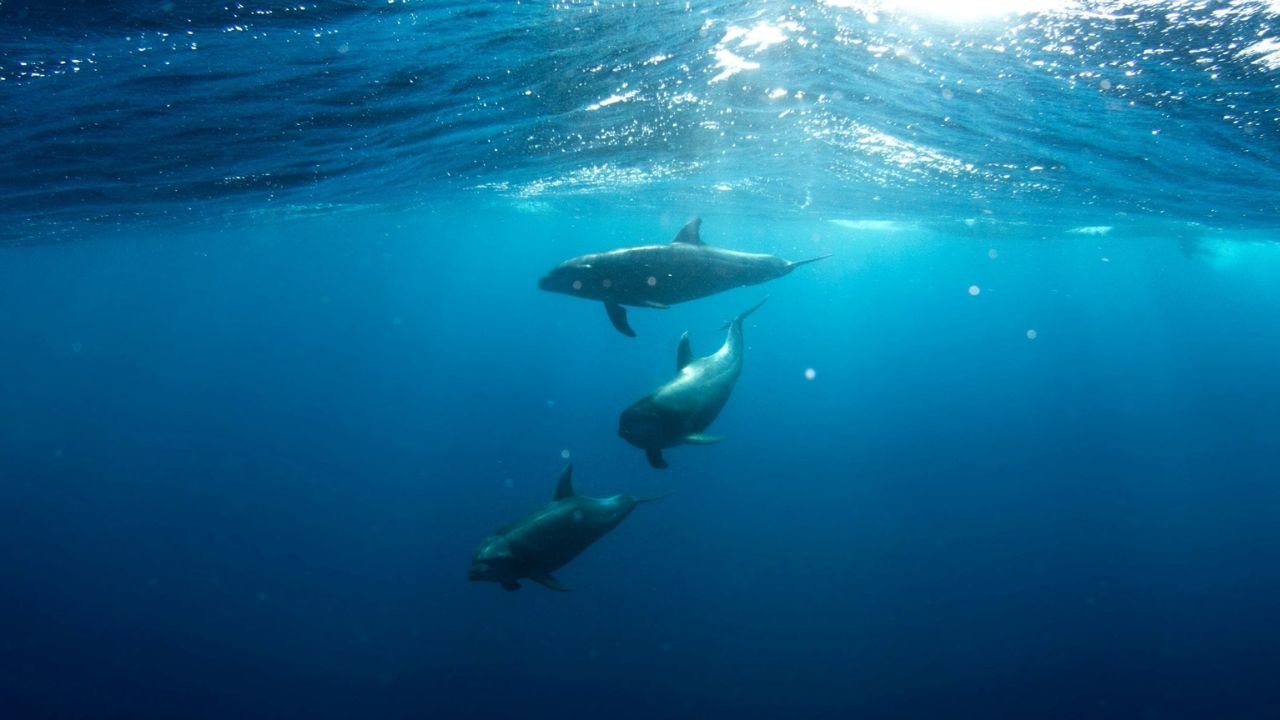
- dolphins moving closer to shore to chase shifting fish schools
- seabirds traveling longer distances to hunt
- seals entering unfamiliar waters in search of food
For many species, food scarcity also increases stress, making them more vulnerable to illness or predators.
Breeding seasons and migration timing are shifting
Temperature plays a major role in the timing of migration and breeding for marine animals. As waters warm earlier in the year, some species adjust their schedules.
Scientists have observed:
- fish spawning weeks earlier than normal
- whales changing migration routes as prey moves
- sea turtles nesting earlier or later depending on water temperatures
These shifts may seem small, but they affect everything from hatchling survival to the long-term success of entire species.
Heat stress is causing more marine life strandings
Higher ocean temperatures can put extreme stress on wildlife, sometimes leading to mass strandings or die-offs.
This is especially true for animals like:
- sea stars
- shellfish
- cold-water fish
- certain coral species
When water temperatures rise quickly, these creatures may not be able to adapt fast enough, leading to sudden, widespread losses.
In some U.S. states, officials have reported large groups of fish washing up on beaches during heatwaves—an indication that the water reached temperatures they simply could not survive.
Warmer waters invite new predators into coastal regions
As species move into new areas, predators follow them. This can disrupt local ecosystems that are not prepared for new competitors.
For example:
- larger fish may enter shallow waters to hunt unfamiliar prey
- shark sightings may increase in areas where warm water attracts bait fish
- aggressive species may outcompete native wildlife for food and habitat
These changes can affect both wildlife and human activity along the coast.
Communities are adapting as coastal ecosystems continue to change
While rising ocean temperatures are a challenge, many coastal states are taking steps to monitor and protect wildlife. Scientists, conservation groups, and local agencies regularly track water temperature, animal movement, and unusual sightings.
Simple actions—such as reporting stranded animals, avoiding disturbed habitats, or supporting conservation programs—help protect coastal species during this period of rapid change.
A changing ocean means changing coastal life
The behavior of coastal wildlife is shifting because the ocean itself is changing. Warmer waters are redrawing migration maps, altering food chains, and bringing unfamiliar species to U.S. shores. These changes highlight how closely connected marine animals are to their environment—and how quickly they respond when that environment changes.
As temperatures continue to rise, understanding these patterns becomes even more important. Each unusual sighting or unexpected shift in behavior is a reminder of how dynamic and sensitive coastal ecosystems truly are.
