


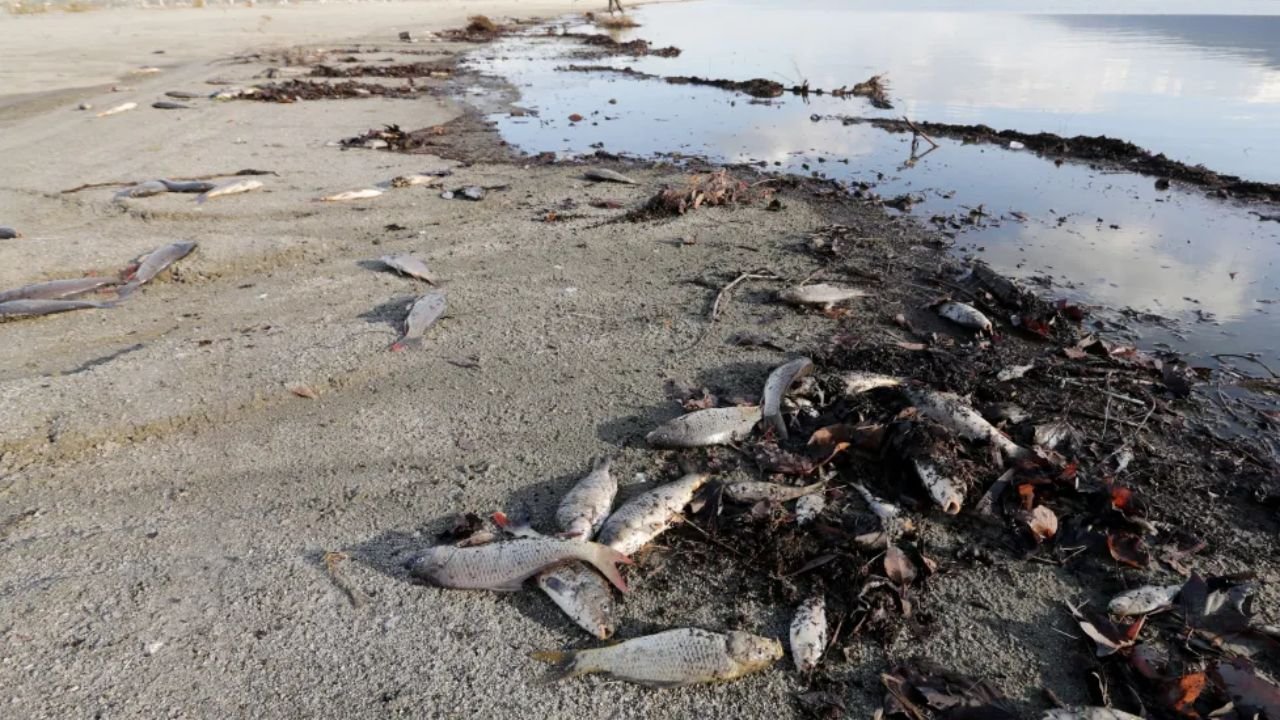
When large numbers of fish suddenly wash up dead along a shoreline, it can be an alarming and confusing sight for anyone who lives near the coast. These events, often called “fish kills,” happen more often than many people realize—and they usually have clear explanations behind them. From changing water temperatures to low oxygen levels and harmful natural events, several factors can trigger sudden, mass fish deaths in oceans, lakes, and rivers across the United States.
Understanding why fish die off unexpectedly helps communities respond quicker, protect local ecosystems, and avoid unnecessary panic. Here are the most common reasons behind these sudden shoreline events.
Sudden drops or spikes in water temperature
Fish are extremely sensitive to temperature changes. Even small shifts can affect their ability to breathe, swim, or survive. When water becomes too warm or too cold, fish may go into shock and die rapidly.
Some common situations include:
- a heatwave raising water temperatures beyond what fish can tolerate
- cold water suddenly rushing into a warm area
- shallow coastal water heating up faster than deeper ocean regions
Warm water holds less oxygen, which makes the problem even worse. Many fish kills in states like Florida, Texas, and California happen shortly after sharp temperature swings.
Low oxygen levels in the water
One of the biggest causes of mass fish deaths is oxygen depletion. Fish need dissolved oxygen to survive, and when levels drop too low, they can suffocate within minutes.
Low oxygen can be caused by:
- algae blooms
- rising water temperatures
- pollution flowing into waterways
- decaying organic matter
- stagnant water with poor circulation
When oxygen levels drop suddenly, fish may gather at the surface gasping for air before washing up onshore.
Harmful algal blooms (red tide and others)
Harmful algal blooms, especially “red tide,” are notorious for causing large fish kills. These blooms occur when algae multiply rapidly, producing toxins that fish cannot survive.
During a bloom:
- the algae release chemicals that poison fish
- oxygen levels fall dramatically as algae die and decompose
- toxins can irritate gills, making it impossible for fish to breathe
Florida’s Gulf Coast experiences red tide events regularly, and each outbreak leads to thousands of fish washing up on beaches.
Pollution and chemical runoff
Chemicals from roads, factories, farms, or even household waste can enter lakes, rivers, and coastal waters. Pollution often disrupts the natural balance of the water and directly harms marine life.
Common pollutants include:
- fertilizers
- pesticides
- oil leaks
- sewage spills
- industrial chemicals
These contaminants can poison fish directly or cause algae to grow too quickly, which eventually leads to oxygen loss.
Storms and heavy rainfall
Strong storms stir up sediment and debris from the ocean floor, making the water cloudy and filled with particles. This sudden disturbance can stress fish and reduce oxygen levels.
After a major storm:
- freshwater may flow into saltwater areas, shocking fish
- pollutants may wash into waterways
- debris can block fish gills or disrupt breathing
Many fish kills in coastal states happen immediately after hurricanes or heavy rainfall.
Diseases and parasites
Fish, like all animals, can suffer from diseases and parasites. When a pathogen spreads quickly, it can wipe out large populations at once.
Fish diseases spread fastest when:
- the water is warm
- fish are crowded together
- pollution weakens their immune systems
- oxygen levels are low
These outbreaks often go unnoticed beneath the surface until the fish begin washing up dead.
Toxic gas release from the ocean floor
In rare cases, gases like hydrogen sulfide can rise from the ocean floor due to natural disturbances. These gases are deadly to fish even in small amounts.
When released:
- fish may appear disoriented before dying
- the event can affect large areas quickly
- the smell of “rotten eggs” may be noticeable near the shore
This is more common in areas with deep water or volcanic activity beneath the surface.
Overcrowding during spawning seasons
During certain times of the year, fish gather in large numbers for breeding. While this behavior is natural, overcrowding can lead to low oxygen levels and increased stress, causing mass die-offs.
This often happens in:
- shallow coastal bays
- estuaries
- narrow river sections
When water quality is already low, even a slight drop in oxygen can trigger sudden deaths.
Human activities that disturb natural balance
Construction, dredging, and boating can stir up sediment and reduce water clarity. This disrupts fish habitats and increases stress on marine life.
Some issues caused by human activity include:
- underwater noise
- sediment clouds blocking fish gills
- destruction of seagrass and coral habitats
- chemical leaks from boats or machinery
Over time, these disruptions weaken the ecosystem, making fish kills more likely during difficult conditions.
What fish kills tell us about changing conditions
When fish wash up dead along a shoreline, it is usually a sign that something in the environment changed quickly and dramatically. Most of the time, these events are linked to natural factors like temperature swings or algae blooms—but human activity and climate shifts can make these problems worse.
Communities and scientists use these events as warnings that certain waters may be stressed or imbalanced. By reporting unusual fish activity and monitoring water conditions, coastal regions can better predict and prevent future incidents.
Sudden fish deaths may look mysterious from the outside, but they often reveal important clues about the health of the water and the changing patterns affecting marine life across the United States.
