


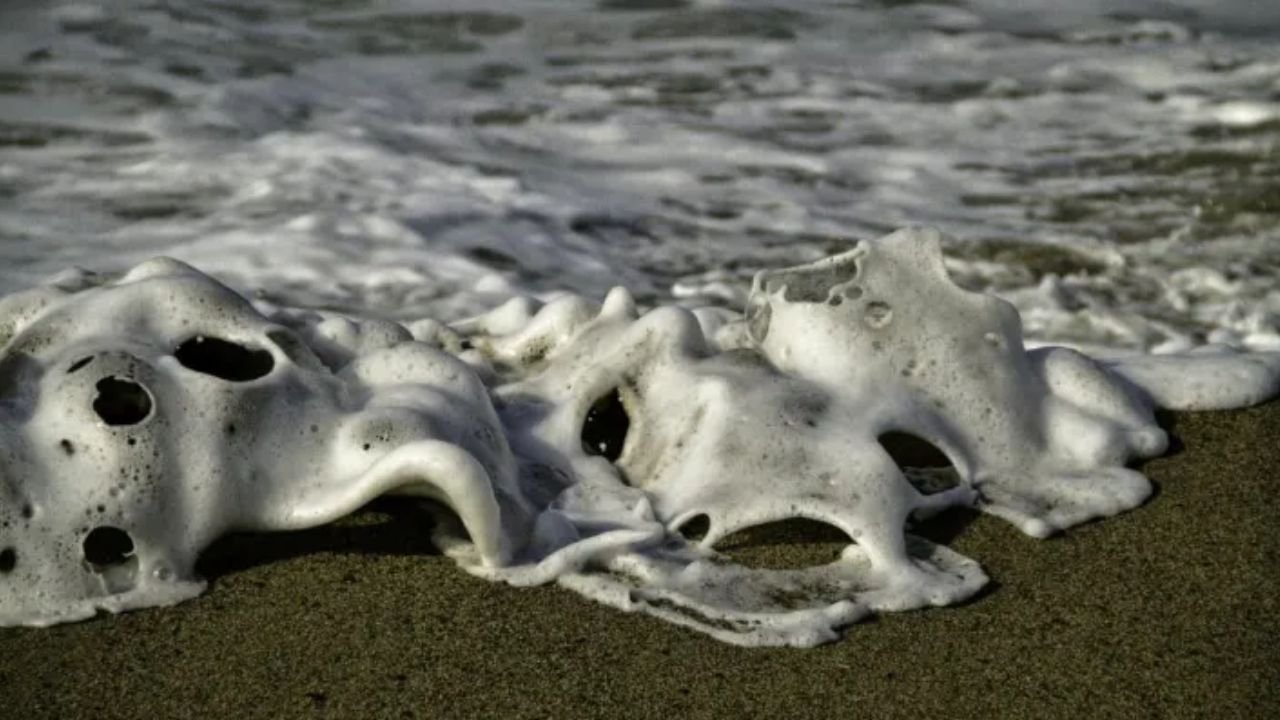
Over the past few years, beachgoers across the United States have started noticing something surprising—unusual sea creatures washing ashore in places where they’ve never been seen before. From brightly colored jellyfish to strange deep-sea species, these unexpected sightings often leave people confused, excited, or even a little concerned.
Experts say these appearances are not random. They’re connected to larger changes happening beneath the ocean’s surface. Understanding why this is happening helps explain the bigger story of how coastal environments are shifting.
Warmer ocean temperatures are pushing species into new areas
One of the biggest reasons unusual creatures are showing up on U.S. beaches is rising ocean temperatures. Even a small increase can dramatically change where marine animals feel comfortable.
When waters warm:
- species move north in search of cooler areas
- tropical animals expand into new territories
- deep-sea creatures rise closer to the surface
- cold-water species struggle to survive in their usual habitats
This shift is especially visible on the East and West Coasts, where warming trends have been strong in recent years. Animals that once lived far offshore or closer to the equator are now appearing along local beaches, often surprising residents who have never seen them before.
Storms and strong currents bring deep-sea creatures to shore
Powerful storms, strong tides, and unusual current patterns can push marine animals toward the coastline. After major storms, it’s common to see sea life washed up because waves carry them farther than they can swim back.
Storm-related strandings often include:
- jellyfish blooms
- squid
- sea slugs
- deep-water fish
- small sharks
- delicate species unable to handle rough water
These events tend to be temporary but can result in clusters of unusual sightings over a short period.
Changes in food supply force animals closer to the coast
Many marine animals follow food—not temperature. If prey shifts its location, predators go with it. When smaller fish, plankton, or crustaceans move toward shallow waters due to temperature shifts or nutrient changes, larger animals follow.
This can bring rare or unexpected species closer to shore, such as:
- dolphins hunting fish schools near the beach
- large rays gliding into shallow water
- jellyfish swarms feeding near coastlines
- unusual fish species appearing in tide pools
The movement of food chains often explains why beach sightings suddenly increase in certain seasons or specific regions.
Tide changes and seasonal patterns reveal hidden species
Some sea creatures naturally come closer to the shore during certain times of the year, but warming environments and shifting seasons can intensify this behavior.
These patterns affect:
- breeding cycles
- egg-laying habits
- migration routes
- feeding schedules
For example, some jellyfish species swarm closer to shore during warm summer months, while certain crabs and fish appear near beaches in winter due to seasonal water shifts. These patterns can make strange sightings feel more frequent than before.
Pollution and human activity play a role too
Marine pollution—such as plastic waste, chemical runoff, and fishing debris—can stress wildlife and force animals out of their natural habitats. When animals become weak or disoriented, they may drift toward shore or become stranded.
Additionally:
- fishing nets
- discarded traps
- underwater noise
- boat activity
can disrupt normal movement patterns, causing animals to end up in unfamiliar areas.
While pollution is not the only reason for strange beach sightings, it contributes to many distress cases seen by wildlife specialists.
Underlying health problems may cause strandings
Sometimes unusual species wash ashore because they are sick, injured, or unable to navigate properly. Disease outbreaks, parasites, or harmful algal blooms can weaken marine animals, causing them to drift or swim toward beaches.
Common distress-related strandings include:
- sea turtles affected by cold shock
- fish weakened by toxins
- whales and dolphins suffering from disorientation
- creatures injured by predators or debris
When multiple animals of the same species wash up together, it often signals a larger environmental or health issue.
Curiosity grows as beach sightings become more frequent
As more people visit beaches, carry smartphones, and share photos online, sightings of unusual sea creatures quickly gain attention. A single strange creature can spark thousands of comments and become a trending topic, even if the occurrence is natural or harmless.
This increased visibility makes strange sightings feel more common than before, but in many cases, the ocean is simply revealing creatures that have always been there—just not as noticeable.
A changing ocean is behind the mystery
While unusual sea creatures washing ashore can feel mysterious or alarming, most cases connect back to a changing ocean. Whether it’s shifting temperatures, storms, food movement, or seasonal cycles, the marine world is adapting rapidly.
These sightings remind us of how dynamic coastal ecosystems are—and how closely they respond to environmental change. As oceans continue to warm and weather patterns shift, beachgoers across the United States may continue to encounter sea creatures they have never seen before.
If anything, these moments offer a rare window into the hidden life of the ocean, revealing just how much is still unfolding beneath the waves.
