


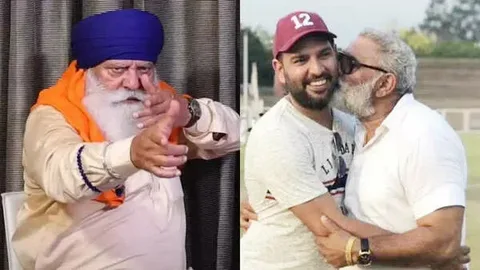
Introduction: A Sobering Reality of Yograj Singh’s Life
Yograj Singh, former Indian cricketer and father of cricketing icon Yuvraj Singh, recently made headlines with his candid and deeply emotional revelations about his current life. The veteran cricketer shared that he now lives alone and depends on strangers for food. He also expressed that he feels ready to die, a statement that has sparked concern and compassion across India and the global cricketing community.
Yograj Singh has always been known for his outspoken nature, but his recent disclosure sheds light on the loneliness, mental health struggles, and challenges faced by retired athletes. His situation is a reflection of a larger societal issue where senior citizens and former sports personalities sometimes struggle to find support after their careers end.
Understanding his story not only highlights the importance of social support systems, but also offers opportunities for the community, sports organizations, and policymakers to strengthen mechanisms to ensure dignified living for retired athletes.
History and Background of Yograj Singh
Yograj Singh was a fast bowler who represented India in international cricket during the 1980s. He later transitioned into acting and coaching, remaining connected to the cricketing world through various roles. Despite his contributions to Indian cricket, his later life has been marked by personal struggles.
Yograj Singh’s openness about his situation brings attention to the mental health and welfare of former athletes, a topic that has been gaining recognition globally. Many retired sports personalities face isolation, health challenges, and financial insecurity once their careers end—a problem not unique to India but prevalent worldwide.
Importance of Addressing the Issue
The situation of Yograj Singh highlights several important societal points:
-
Mental Health Awareness: His readiness to die underscores the need for accessible mental health services, particularly for elderly citizens and former athletes.
-
Support Systems for Retired Athletes: Sports authorities, including the BCCI, have a role in ensuring welfare schemes for players post-retirement.
-
Community and Social Responsibility: Yograj Singh depending on strangers for food illustrates gaps in community support and raises awareness about eldercare.
In a world increasingly focused on mental and physical well-being, Yograj Singh’s story is a reminder that success in youth does not guarantee stability or support in later life.
Future Opportunities: Awareness, Policy, and Community Initiatives
Yograj Singh’s revelations offer avenues for interventions and future improvements:
-
Strengthening Athlete Welfare Programs: Sports federations can develop comprehensive welfare programs for retired players, including healthcare and financial support.
-
Community Support Networks: NGOs and local communities can create support structures to assist elderly or isolated individuals.
-
Mental Health Initiatives: His story can catalyze mental health awareness campaigns, encouraging people to seek help before reaching a crisis point.
-
Public Awareness and Media Coverage: Increased media attention can inspire broader societal empathy and action toward elder care.
Global Perspective: Retired Athletes and Welfare Programs
Worldwide, the welfare of retired athletes is gaining attention:
-
United States: The NFL and NBA have pension and medical programs for retired players.
-
United Kingdom: Professional sports organizations provide counseling and financial advice for former athletes.
-
India: While some BCCI programs exist, they are often insufficient for older or less well-known players.
In 2025, there is expected growth in athlete welfare programs, health counseling services, and retirement planning initiatives, offering hope that more structured support can reach people like Yograj Singh.
Societal and Community Action Steps
Work Locations and Support
While Yograj Singh resides in India, his story emphasizes the importance of local community centers, charitable organizations, and social welfare agencies. Communities can play a vital role in providing food, healthcare, and companionship to elderly citizens.
Hiring Sectors and Volunteer Opportunities
Non-profits, sports federations, and government programs often require volunteers and coordinators to:
-
Run welfare schemes
-
Provide food and healthcare
-
Offer counseling and social support
These programs focus on social welfare, eldercare, and mental health support, highlighting the diverse ways society can contribute.
FAQs: Understanding Elderly Athlete Welfare
Q1. Are retired athletes in India financially supported?
Some welfare schemes exist through the BCCI and state associations, but coverage is limited and inconsistent.
Q2. What can communities do?
Communities can organize meal programs, visit lonely elders, and connect them to healthcare and social services.
Q3. Are mental health services accessible for former athletes?
Access is limited but growing, with NGOs and private counseling services increasingly available.
Q4. How can individuals help without government programs?
Volunteering, donations, and community support networks can make a meaningful difference.
Conclusion: Why This Matters in 2025
Yograj Singh’s story is not just about one individual—it is a wake-up call for society, sports federations, and policymakers. By 2025, there will be increased emphasis on mental health, eldercare, and structured welfare programs for retired athletes and elderly citizens.
The hope is that more structured support systems, community initiatives, and mental health awareness will prevent situations where former heroes feel alone, dependent, and ready to give up on life. Yograj Singh’s candidness inspires reflection, empathy, and action—a reminder that every retired athlete deserves dignity, care, and recognition beyond their playing years.
(Yograj Singh): https://en.wikipedia.org/wiki/Yograj_Singh
